
Valentines Day coloring pages preschooles offer a simple and enjoyable way to celebrate the holiday while supporting early learning. These coloring sheets often feature hearts, animals, and friendly characters that hold the attention of young children. They help develop fine motor skills and encourage creativity in a calm, focused activity.
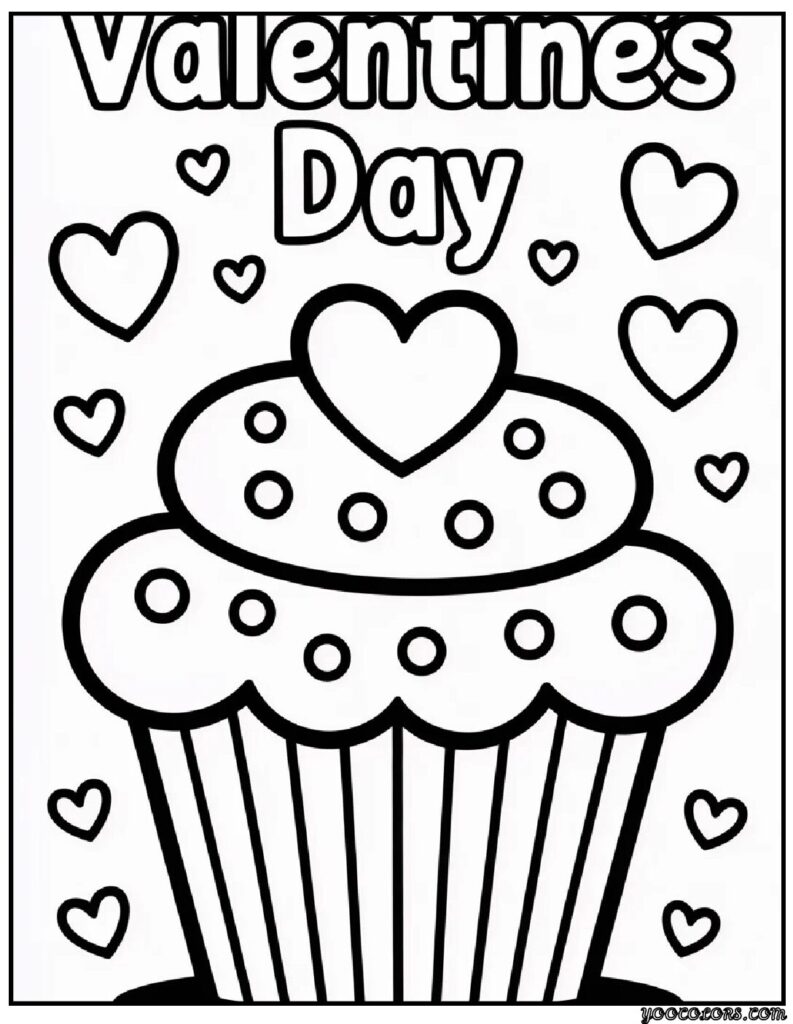
They are a practical and fun resource for parents and teachers looking to keep preschoolers entertained with age-appropriate designs that match the Valentine’s Day theme. Coloring pages like teddy bears, bees with hearts, and cupcakes make the experience both festive and accessible for little kids.
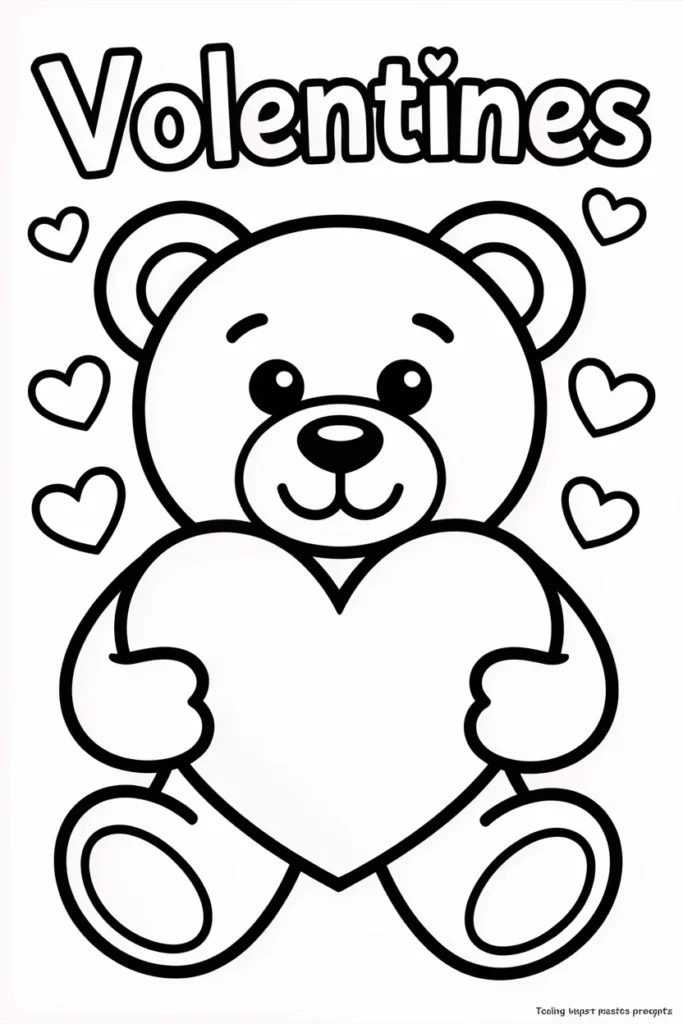
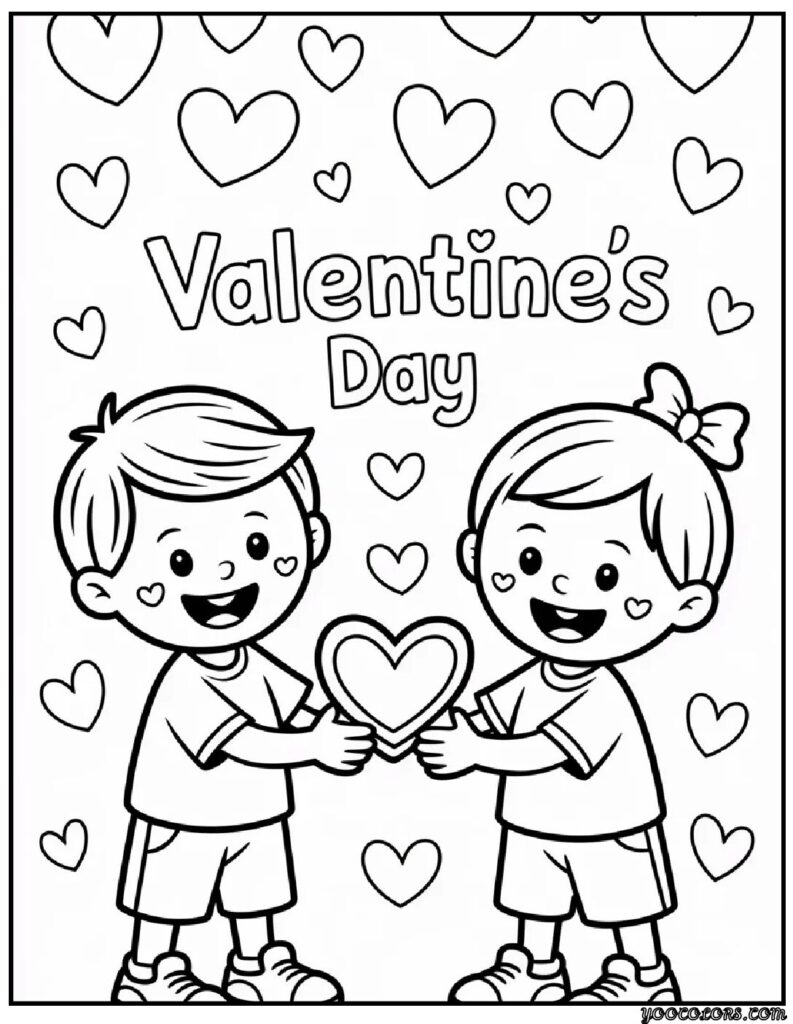
Using Valentine’s Day coloring pages can also create opportunities for children to express affection and learn about friendship in a gentle, visual way. These activities fit well into classroom parties, quiet time, or simple art projects at home, making them a versatile tool during the holiday season.
Best Valentines Day Coloring Pages Preschool
Valentines Day coloring pages for preschoolers often focus on clear, simple designs that keep young children engaged without overwhelming them. These pages usually feature popular themes like hearts, animals, and friendly characters. Free printable pages can be found from various sources, making it easy to use them for both home and classroom activities.
Popular Themes for Preschoolers
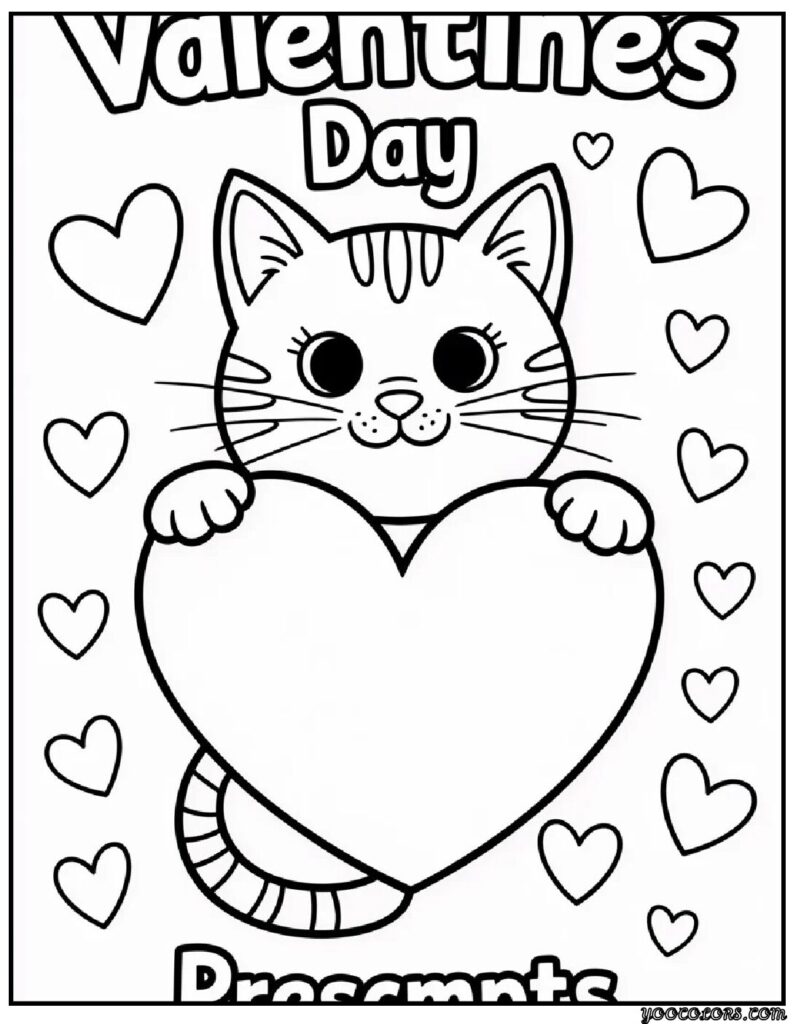
Preschool Valentines Day coloring pages commonly include familiar and friendly images. Hearts are the most frequent theme, often large and easy to color. Animals such as elephants, birds, and teddy bears also appear often, adding a playful and cute element that preschoolers enjoy.
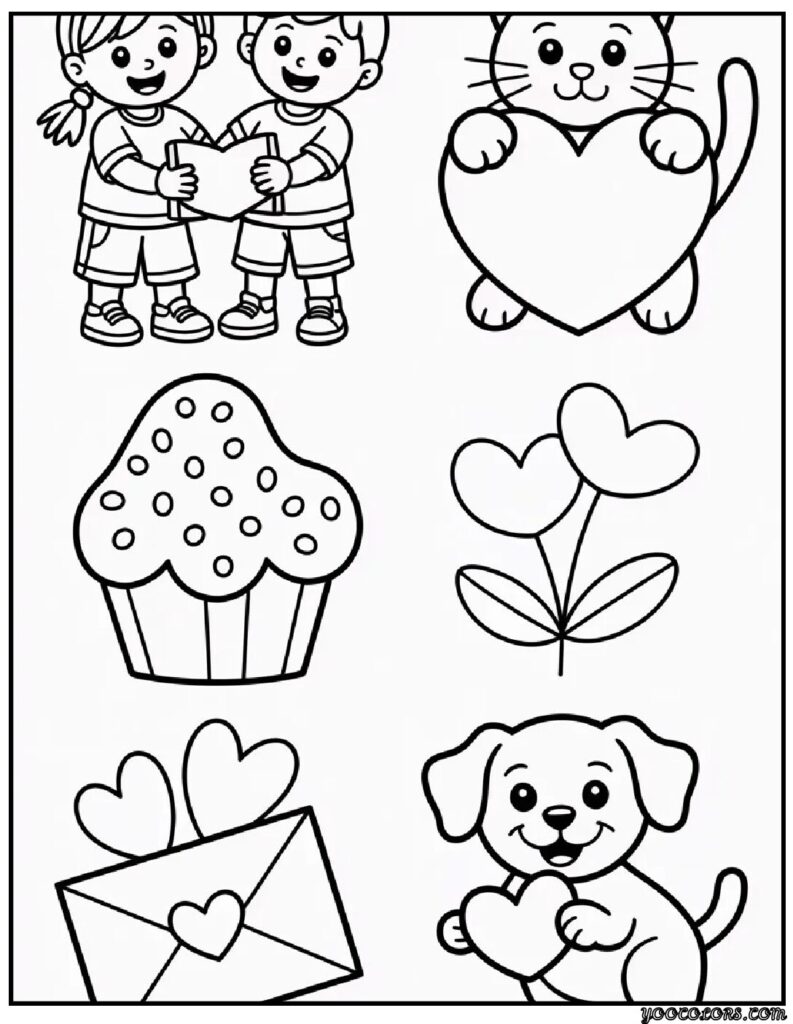
Other popular themes include Cupid, flowers, and simple love-related symbols. These images often come with open spaces and broad lines to help little hands color inside the shapes. The themes focus on friendship and kindness, which are ideal topics for preschool-age children.
Simple and Age-Appropriate Designs
The best Valentines Day coloring sheets for preschool use bold, clear lines and uncomplicated shapes. They avoid too much detail to prevent frustration and keep coloring fun. Many pages feature large animals or hearts outlined simply, giving preschoolers plenty of room to experiment with colors.
Age-appropriate designs also include interactive elements, like patterns within hearts or easy-to-color characters holding flowers or gifts. These pages help young children practice motor skills while reinforcing Valentine’s Day themes. Easy designs also reduce the chance of coloring outside the lines, boosting confidence.
Where to Find Free Printables
Many websites offer free Valentine’s Day coloring pages designed for preschoolers. Parents and teachers can download simple PDFs that include popular themes and age-appropriate designs. Some trusted sources include educational blogs, kids activities sites, and specialized printable collections.
Users can print as many copies as needed for classroom or home use. Many providers also recommend using crayons, pastel pencils, or glitter markers to add fun to coloring activities.
Creative Activities Using Valentines Coloring Pages
These activities help develop fine motor skills while making the holiday meaningful. Kids can turn simple coloring sheets into heartfelt cards, decorations, and gifts by adding personal touches.
Making Homemade Valentine’s Day Cards
Preschoolers can use Valentine printable coloring pages as the base for homemade Valentine’s Day cards. After coloring, they cut out the designs and paste them onto cardstock or folded paper. This hands-on activity encourages creativity and writing skills if children add short messages.
Adding items like glitter, stickers, or ribbons creates texture and makes each card unique. These handmade valentines serve as thoughtful, personalized gifts for family members, teachers, and friends. The process also strengthens hand-eye coordination as children color inside the lines and practice cutting.
Homemade Valentine’s Day cards provide a fun way to connect kids with the sentiment behind the holiday. Through coloring pages and simple crafting tools, children create keepsakes that hold more meaning than store-bought cards.
Classroom and Home Decorations
Valentine’s coloring pages can easily become decorations for classroom walls or home spaces. Teachers and parents can print multiple copies of themed worksheets with hearts, animals, and other Valentine fun images. Children color the pages and then hang or tape them around rooms.
Another idea is to create a Valentine’s Day tree or bulletin board display. Kids can clip their colored pages with clothespins or pins, turning the wall into a festive art gallery. This method encourages pride in their work and brightens the environment during the holiday.
Displaying these colorful decorations also reinforces the holiday’s themes of friendship and kindness. In group settings, it builds a sense of community as everyone shares and admires each other’s artwork.
Valentine’s Day Gifts for Family and Friends
Valentine’s Day gifts made from colored pages are simple and meaningful. Preschoolers can make bookmarks, small posters, or gift tags using valentine printables. Folding or cutting the sheets into different shapes adds variety to gift options.
These gifts often become treasured souvenirs because they are handmade. Personalizing with the child’s name or a brief note increases the sentimental value. Plus, using coloring pages keeps costs low and adds an element of fun to gift-making.
Parents and teachers can guide kids in this process to teach sharing and generosity. These small projects introduce thoughtful gift-giving while encouraging artistic expression.
Engaging Designs and Learning Opportunities
Valentine’s Day coloring pages for preschoolers offer a mix of fun and education. They feature clear images that capture children’s attention and help develop fine motor skills, color recognition, and creativity. Each design includes elements that encourage children to focus while learning about shapes, letters, and simple themes tied to the holiday.
Cupids and Bow and Arrow
Cupids and their iconic bows and arrows appear often in Valentine’s Day coloring sheets. These images help preschoolers connect to traditional symbols of love in a simple way. Coloring the bow and arrow encourages children to pay attention to small details, which improves hand-eye coordination.
The cupid figures are usually playful and friendly, making the activity enjoyable without being too complex. Their wings and arrows provide varied shapes for practicing coloring inside defined spaces. These pages sometimes come with basic outlines that guide children to develop pencil control and use colors thoughtfully.
Teddy Bears and Animal Friends
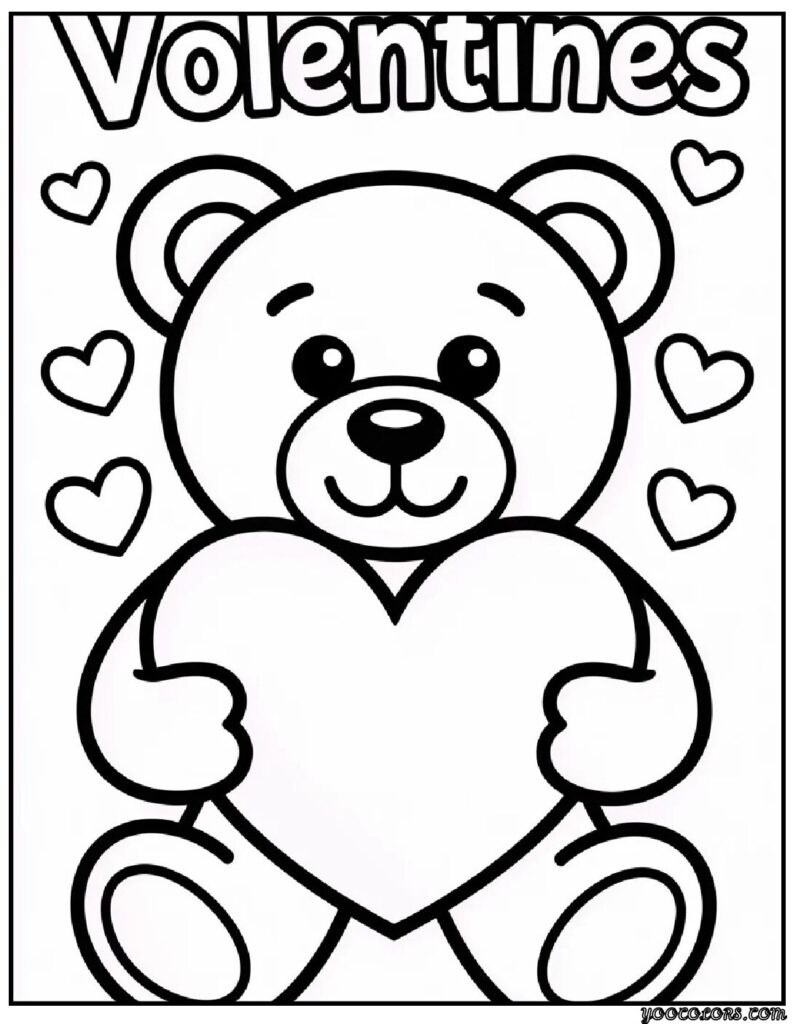
Teddy bears and other friendly animals are popular in preschool Valentine’s Day coloring pages. Their round shapes and soft features are perfect for young children to color. These designs often include hearts and sweet messages to make the activity more relatable and comforting.
Besides offering a chance to recognize familiar animals, these sheets encourage imagination as kids choose colors and decorate the characters. The presence of animals also supports emotional connection, making learning feel warm and inviting. Teddy bears holding hearts or gift boxes help children explore the idea of giving and kindness visually.
Hearts, Messages, and Patterns
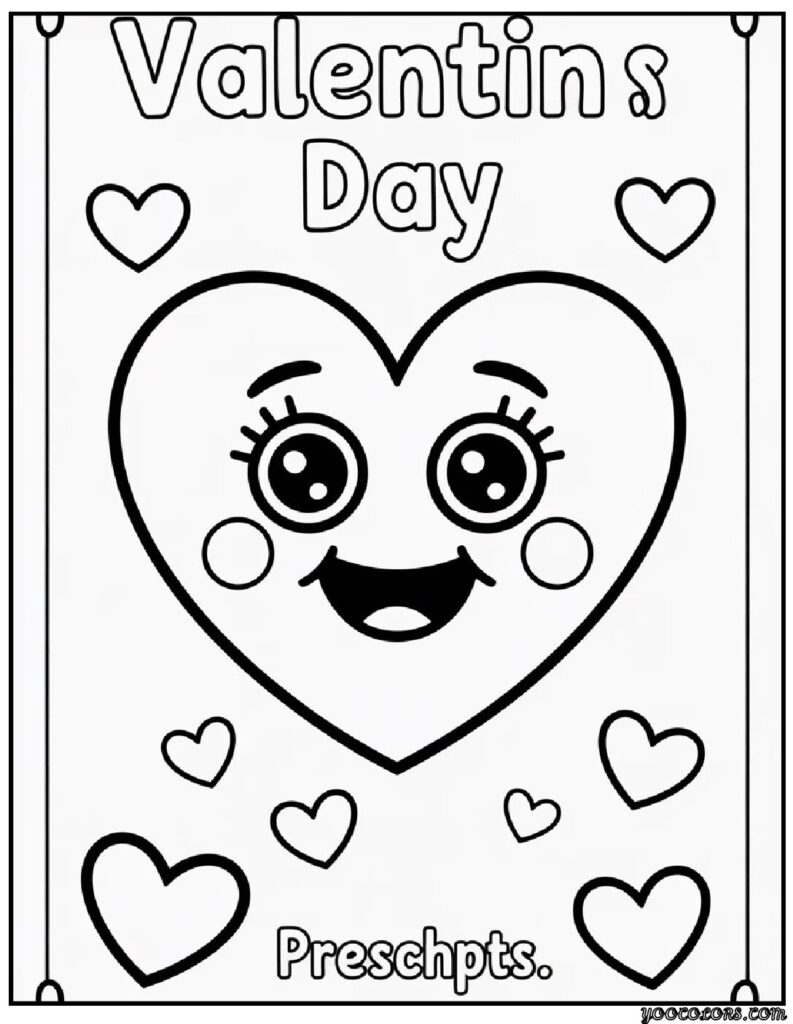
Hearts are the most common symbol in Valentine’s Day coloring pages for preschoolers. These designs often combine shapes, simple words, and repetitive patterns to engage children in multiple ways. Coloring hearts helps preschoolers with shape recognition and boosts focus.
Many sheets include positive messages or simple words related to love and friendship. These encourage early reading skills as kids associate words with images. Patterns inside hearts, such as stripes or dots, introduce basic math concepts like counting and sequencing. The variety in designs helps maintain interest and supports both creative expression and cognitive development.
Tips for Printing, Coloring, and Maximizing Fun
Using printable coloring pages effectively means getting the materials ready, planning activities, and including worksheets that boost learning. Proper preparation and organized group time can help preschoolers enjoy coloring while developing skills.
Preparing Coloring Materials for Preschoolers
Choose easy-to-handle supplies suited for small hands. Thick crayons and washable markers work well because they are safe and hard to break. Avoid very sharp or hard pencils that may frustrate young kids.
Print coloring pages on regular or slightly thicker paper to avoid tears. Larger designs with simple shapes help preschoolers stay focused without getting overwhelmed. Having extra copies allows kids to try different colors or fix mistakes.
Keep a clean workspace with wipes or paper towels nearby. Setting up a small bin or tray for crayons and markers saves time searching for colors. Encouraging kids to clean up after coloring teaches responsibility.
Ideas for Group Activities
Group coloring builds social skills and makes the activity more fun. Organize coloring contests with simple rules, like who colors the most hearts, to motivate children but avoid pressure to compete.
Create a collaborative mural by taping multiple pages together. Each child colors a section, and the final piece can decorate the classroom or home. This also encourages teamwork.
Use themed coloring pages as part of a storytime or lesson. For example, coloring heart shapes while talking about kindness helps connect art to learning. Group discussions about color choices and shapes deepen understanding.
Incorporating Worksheets and Printables
Worksheets with coloring elements add learning value. Use counting or color-by-number sheets to combine fine motor practice with number recognition. This keeps coloring educational.
Provide printables that match skill levels. Some preschool coloring pages have simple outlines, while others include matching or tracing activities for more advanced kids.
Bind printouts into a Valentine’s Day coloring booklet. This gives kids a sense of accomplishment and a keepsake. Print extra sheets so children can share or take home more than one.


