
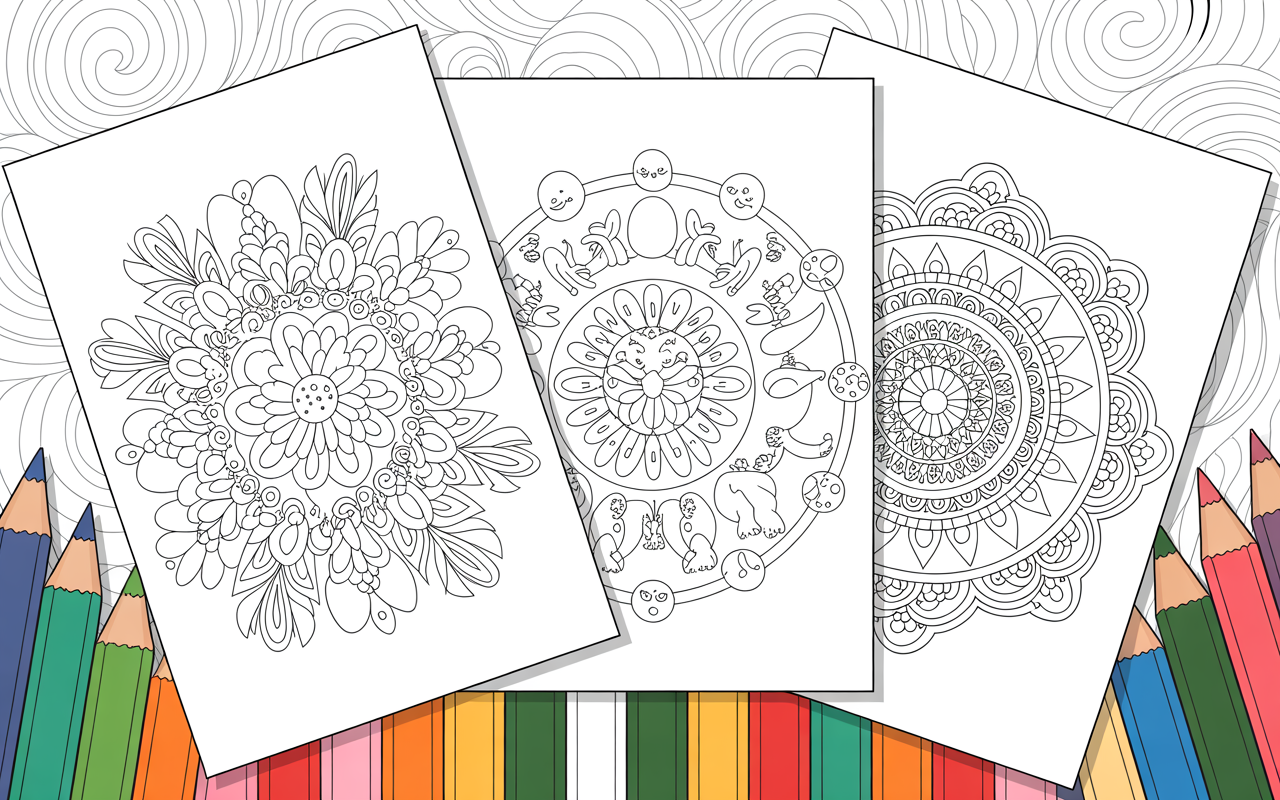
These PDF pages offer a structured yet creative outlet, featuring circles, spirals, and detailed art that invite careful attention to the intricate patterns. The design of a mandala reflects both artistic expression and mathematical geometry, making it visually engaging for people of all ages.
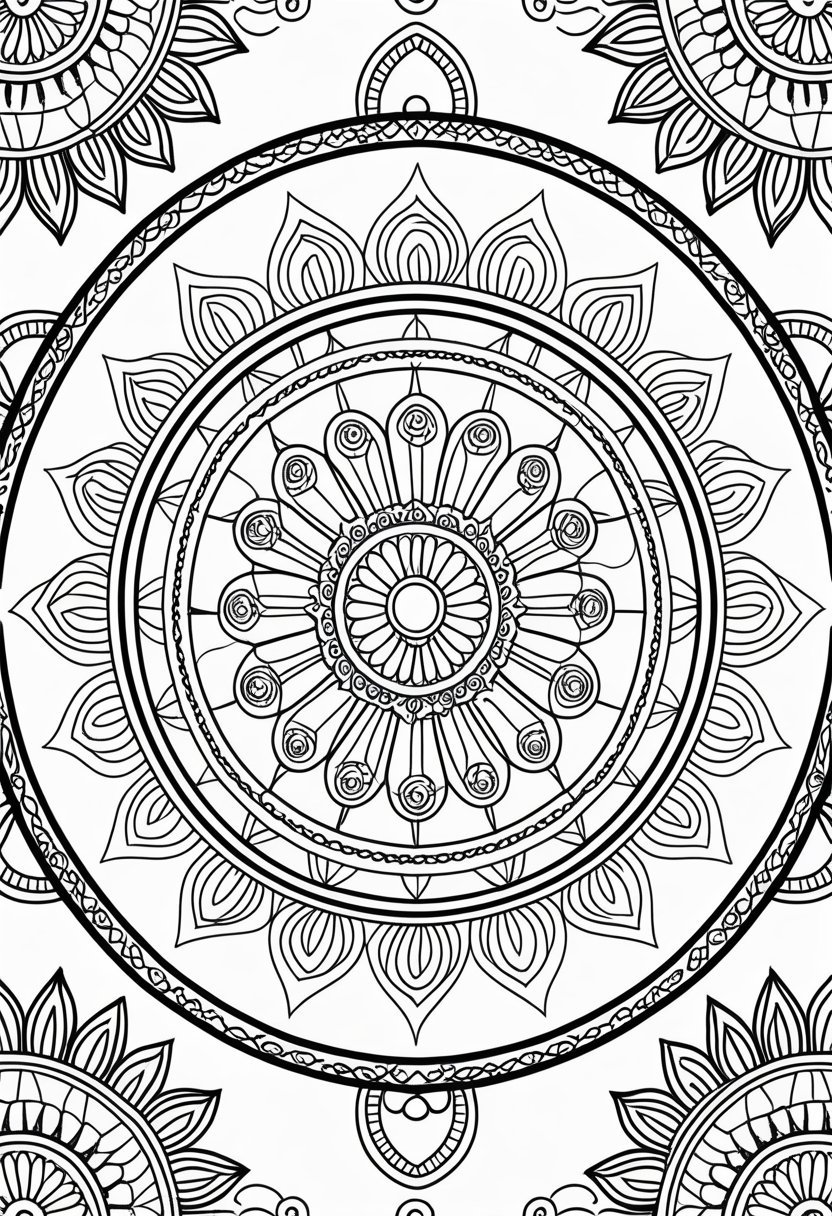
Coloring mandalas is a popular activity because it helps with relaxation, mindfulness, and stress relief while encouraging creativity. Many find this practice therapeutic, as it involves focused attention and can provide a calming effect. Mandalas also carry cultural significance, often linked to spirituality and themes like the circle of life in various traditions. This combination of visual beauty and mental benefit makes mandala coloring a meaningful and accessible form of art.
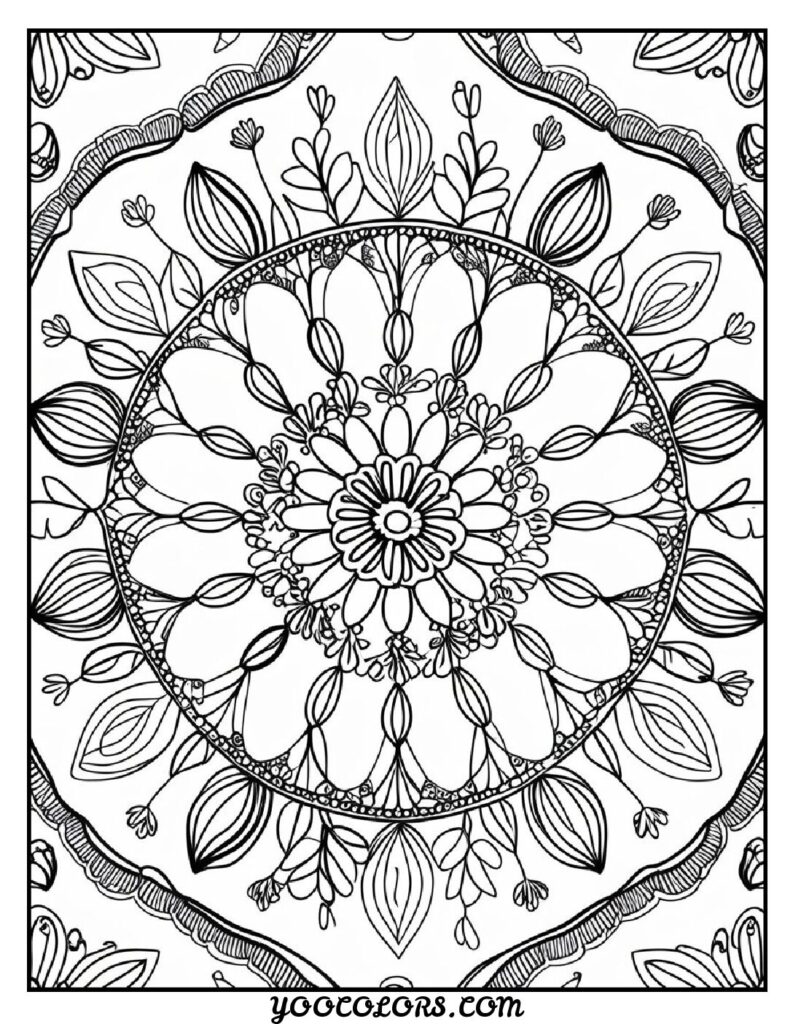
Floral Mandala Coloring Pages combine the circular design of mandalas with floral patterns.
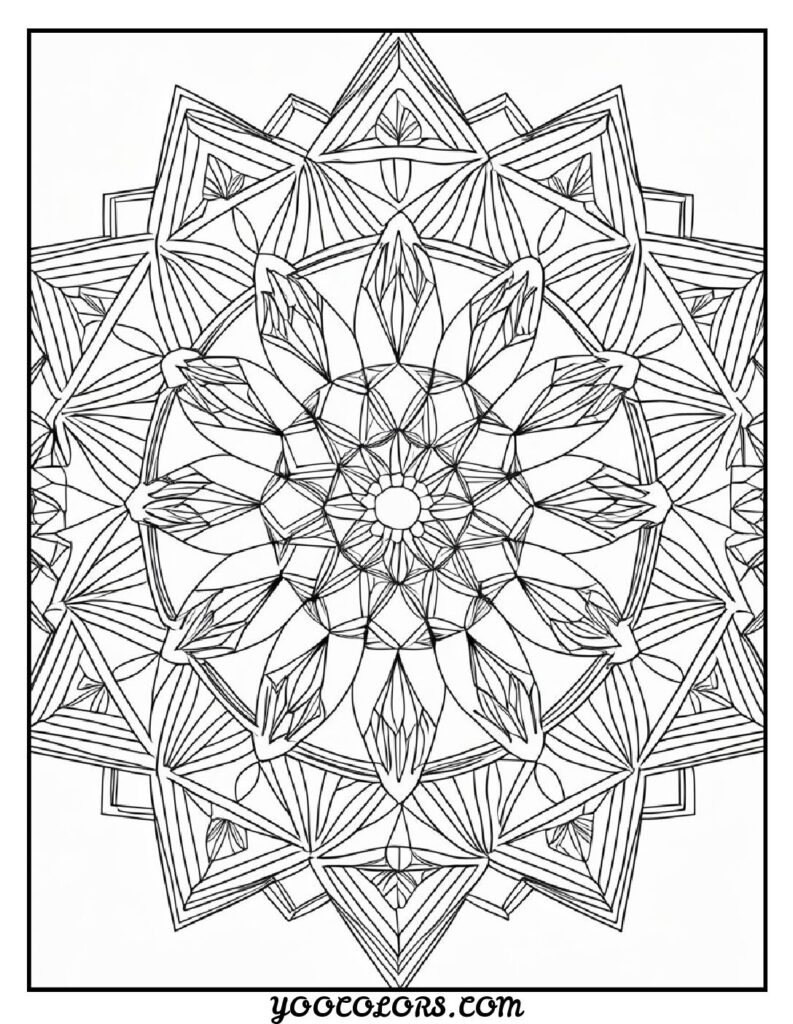
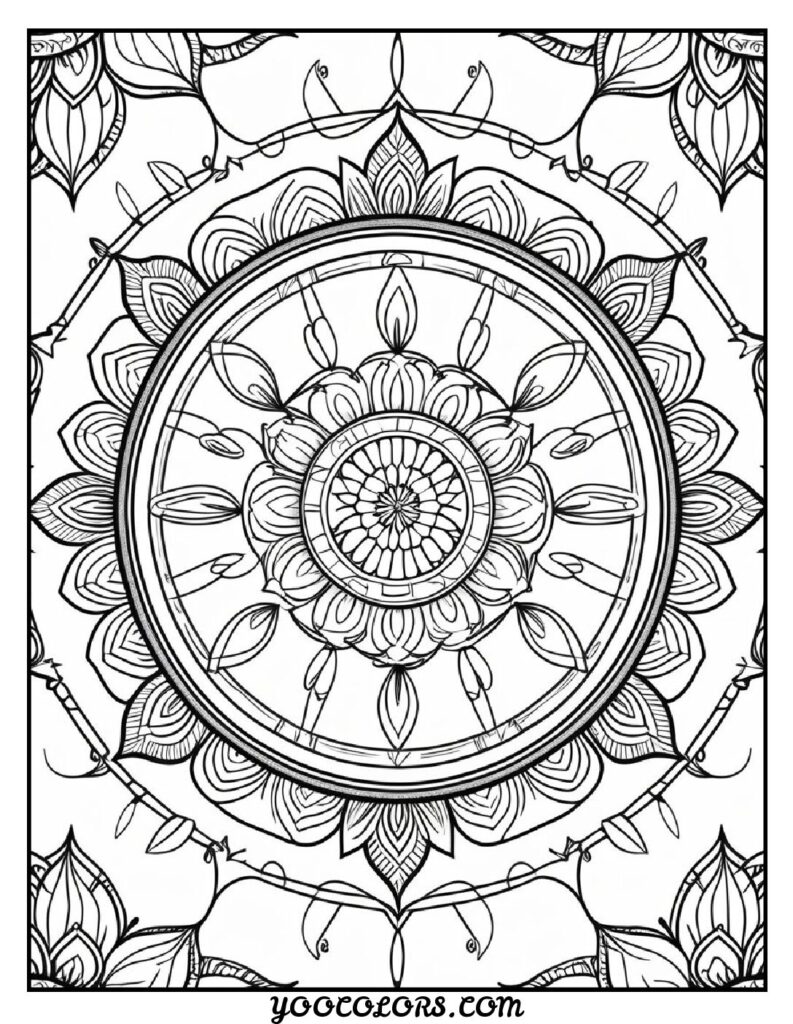
Tibetan mandala coloring designs feature intricate patterns and rich symbolism.
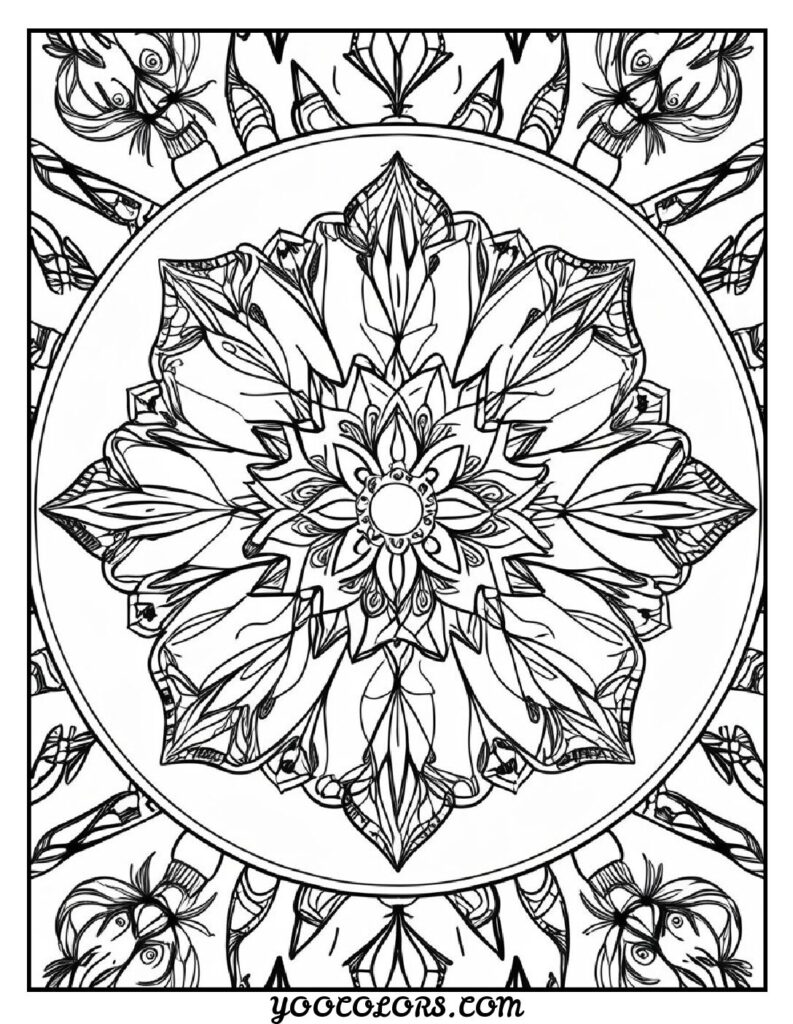
Animal mandala coloring sheets combine the detail of mandala patterns with images of animals.
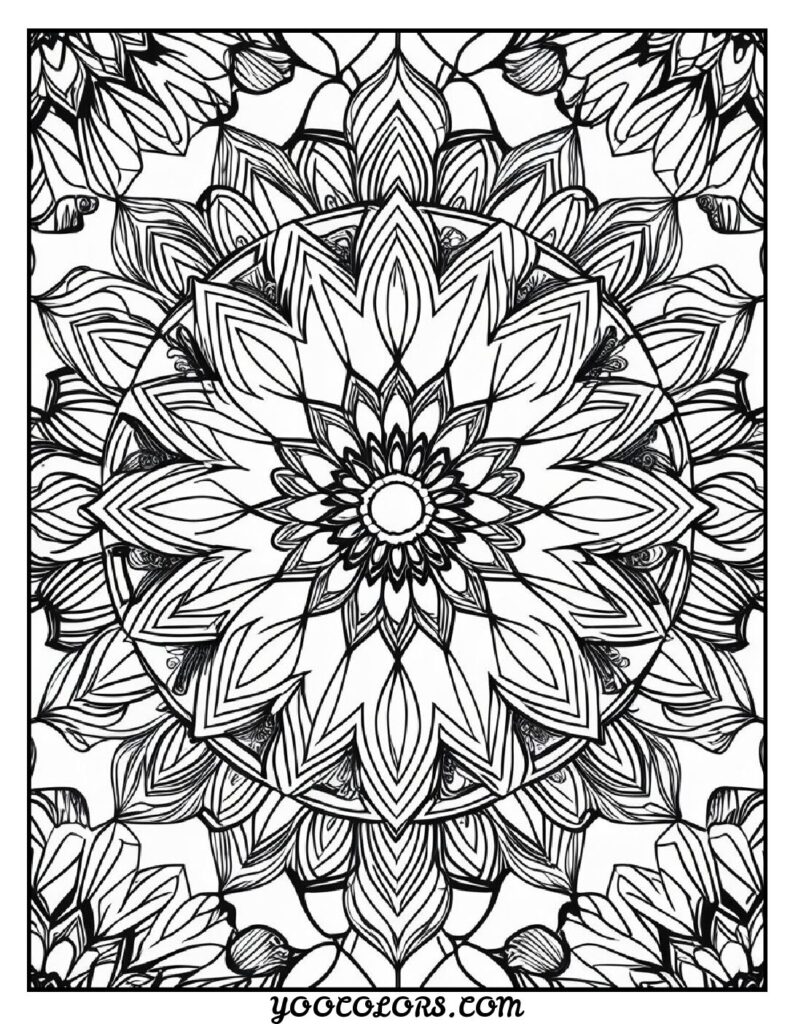
Tibetan mandala coloring designs feature intricate patterns and rich symbolism.
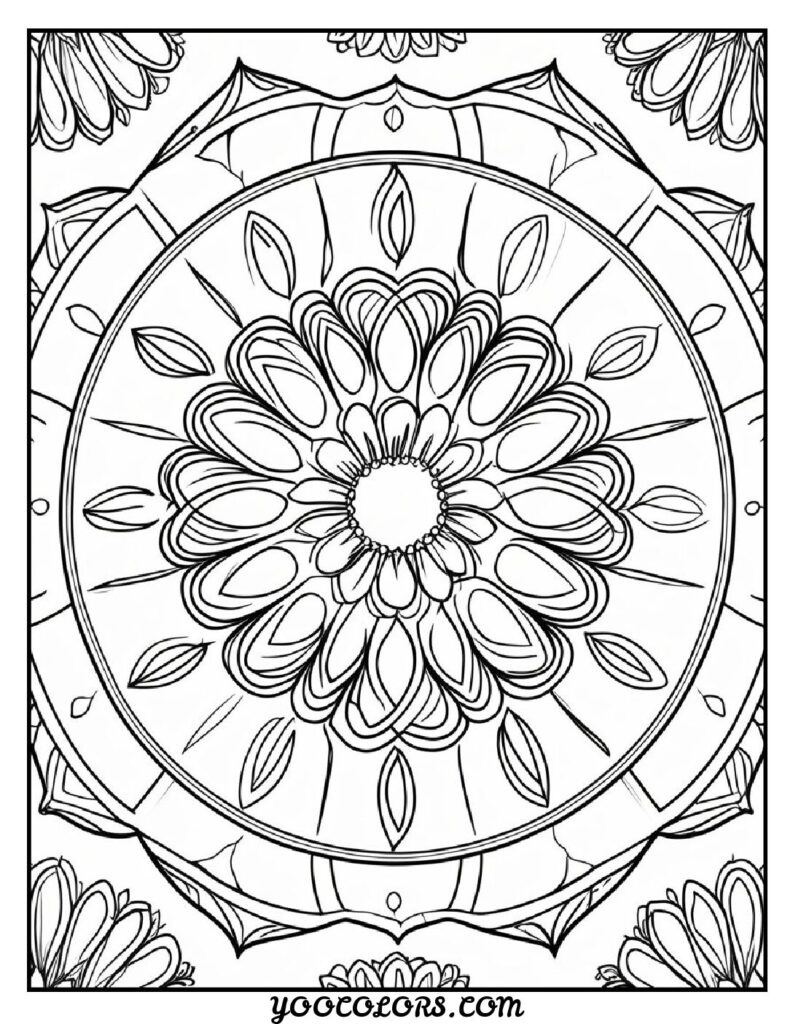
Easy mandala coloring pages are designed with simple patterns and larger spaces.
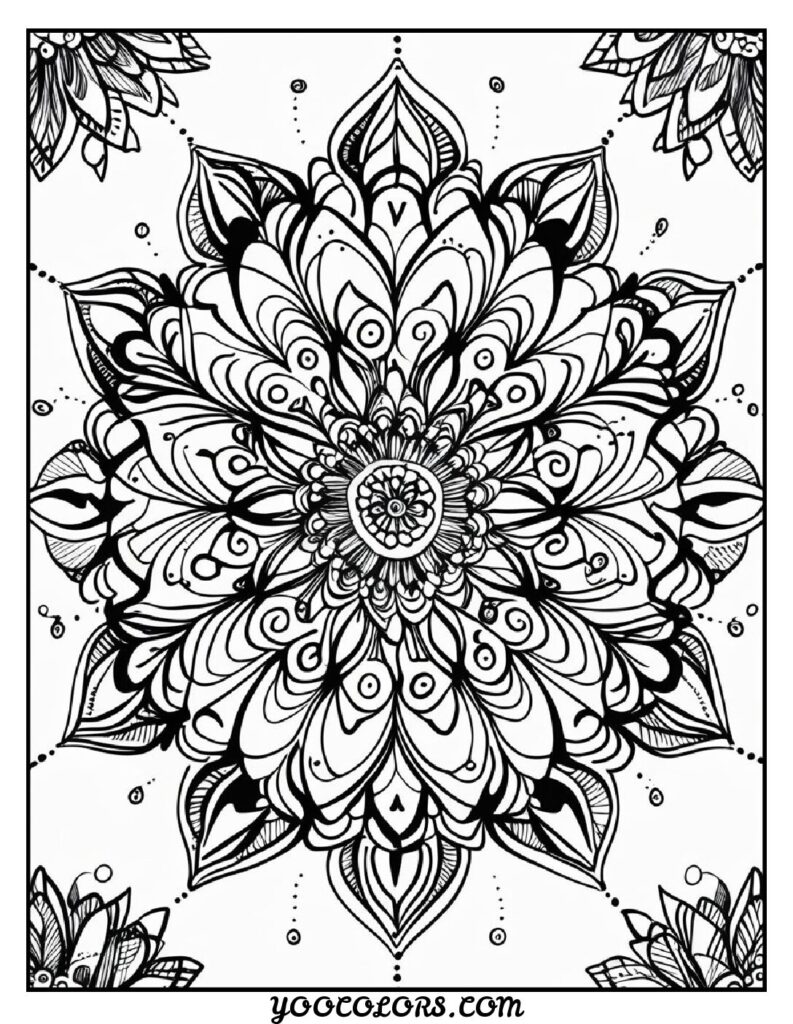
Zentangle mandala art prints combine detailed patterns with the classic circular design of mandalas.
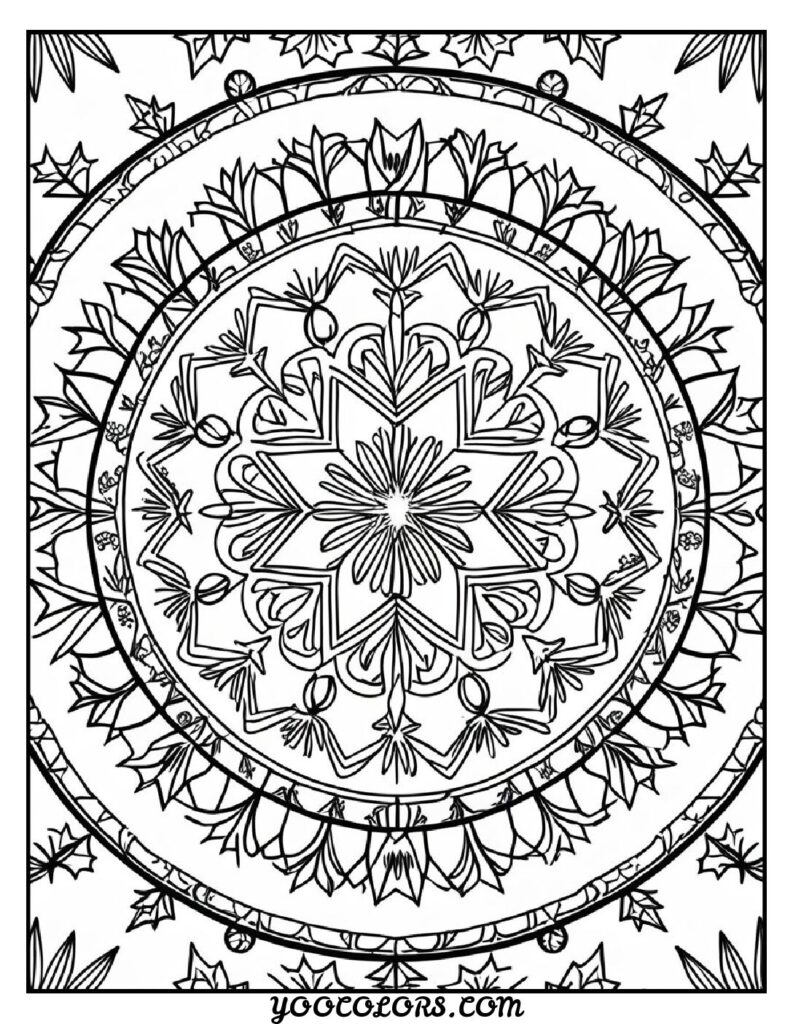
Holiday-themed mandala coloring pages combine traditional mandala patterns with festive symbols.
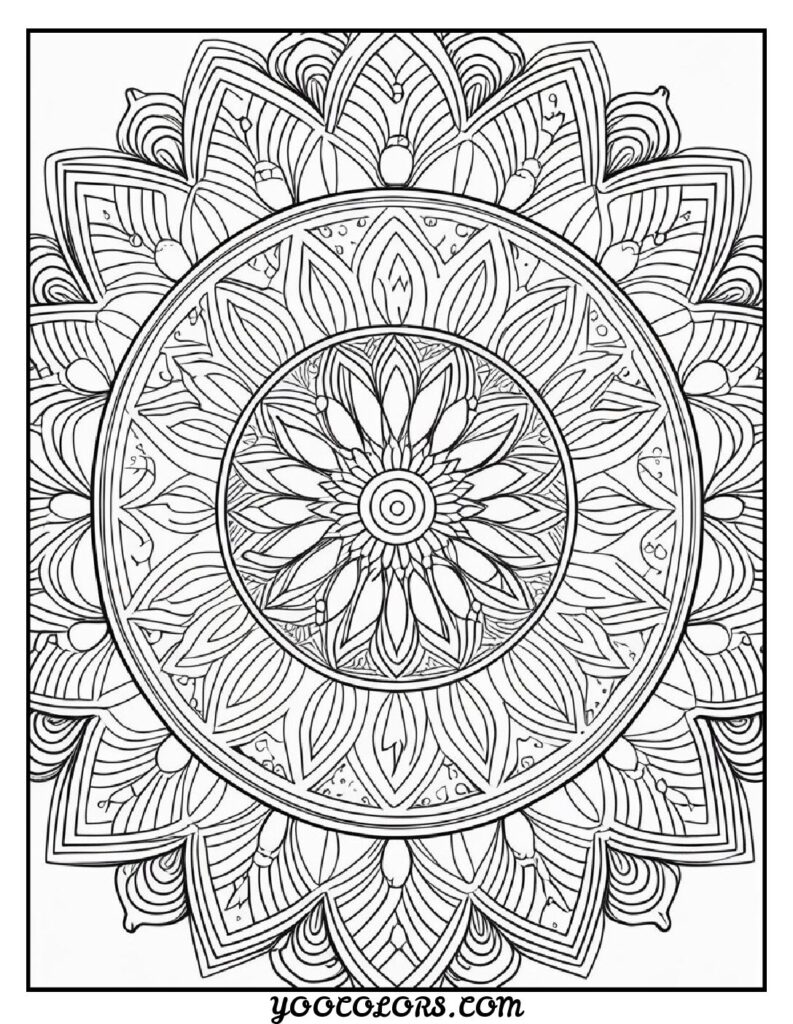
Meditative circular mandalas focus on symmetry and geometry to create balanced designs.
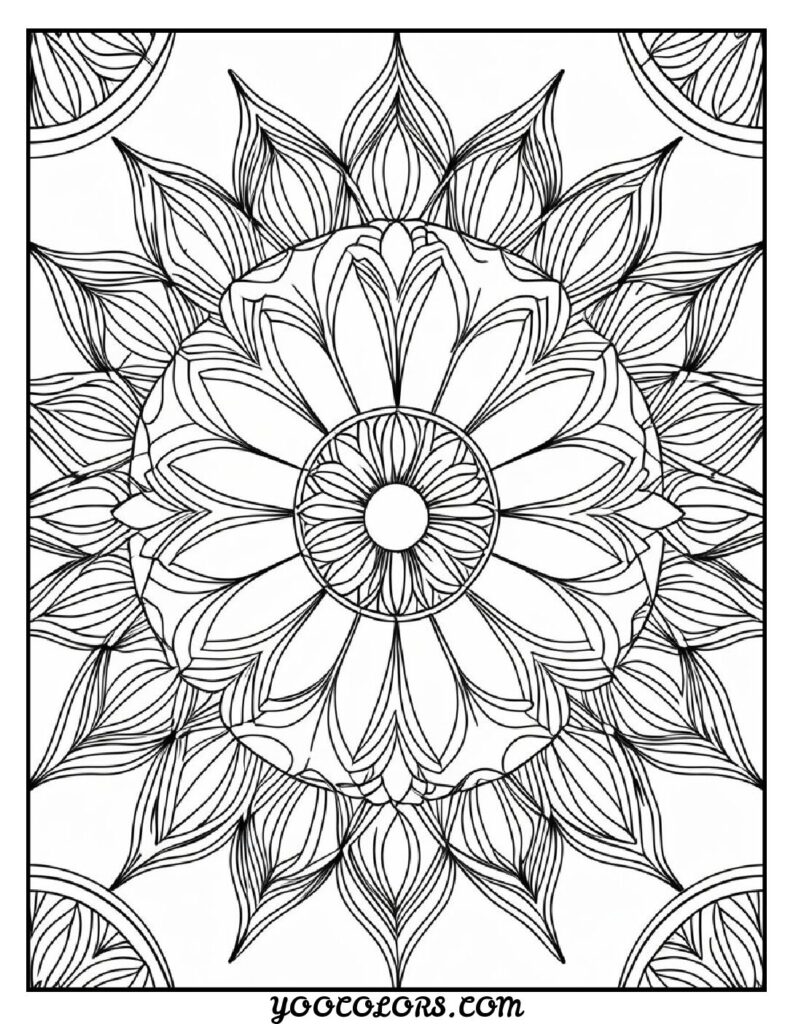
Abstract mandala coloring pages focus on unique, stylized designs rather than traditional patterns.
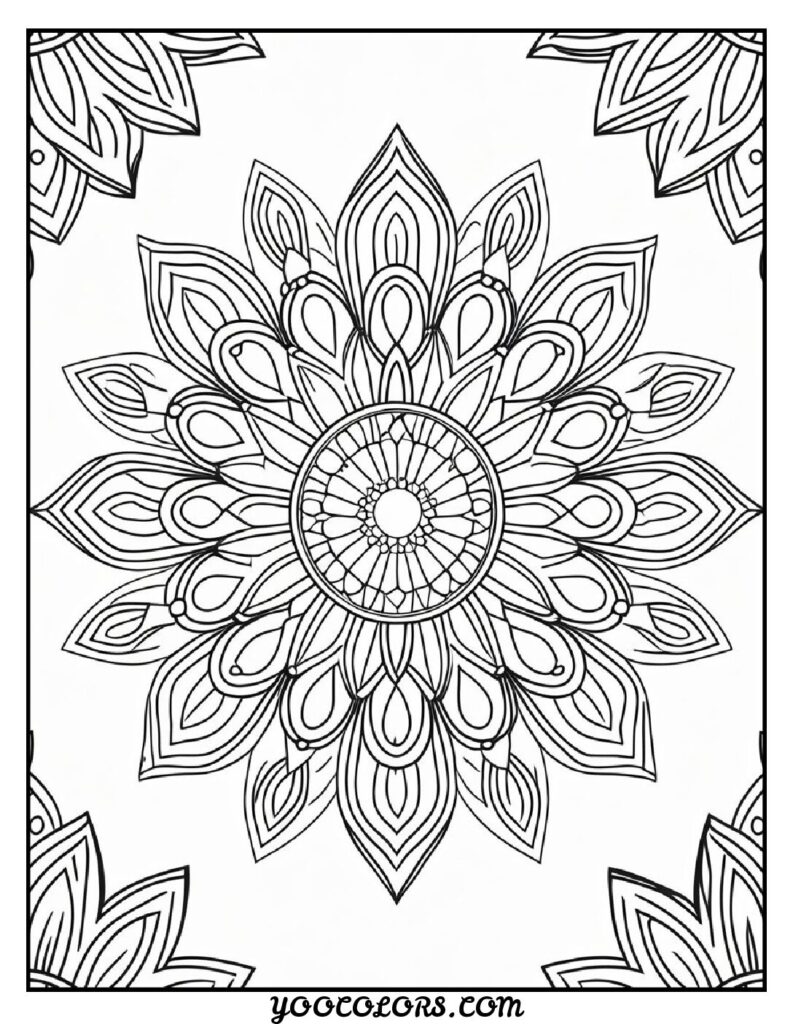
Mandala coloring pages for kids feature simple, easy-to-color designs.
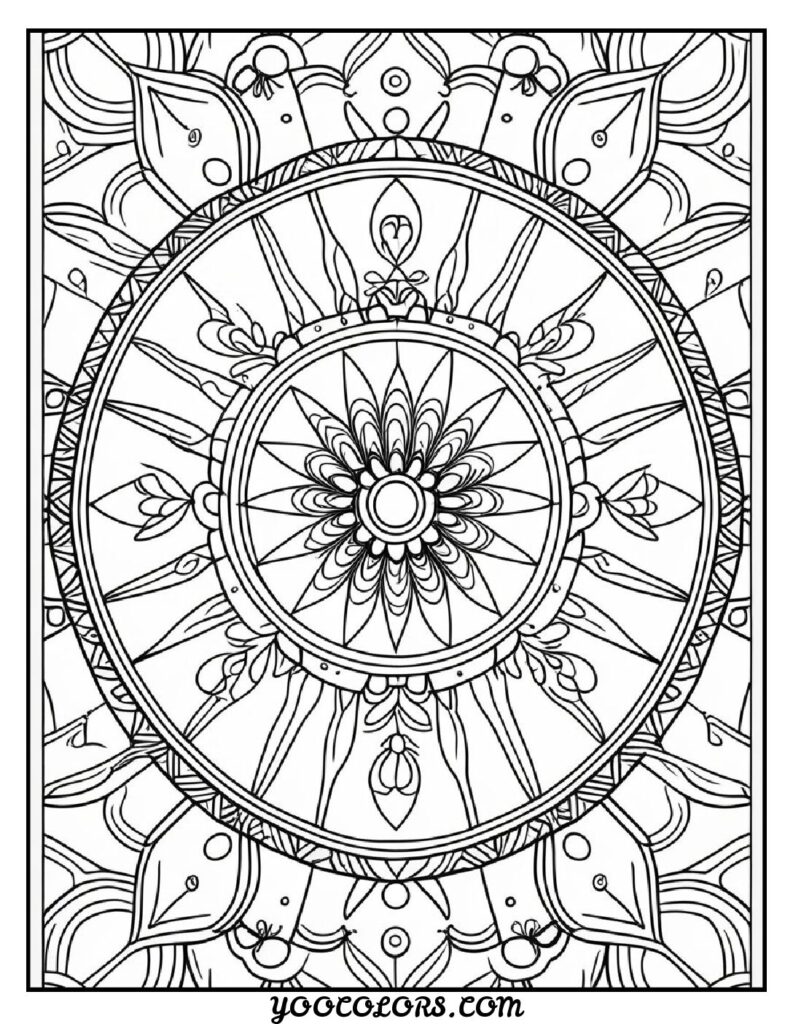
Symmetrical mandala designs are based on balance and evenness.
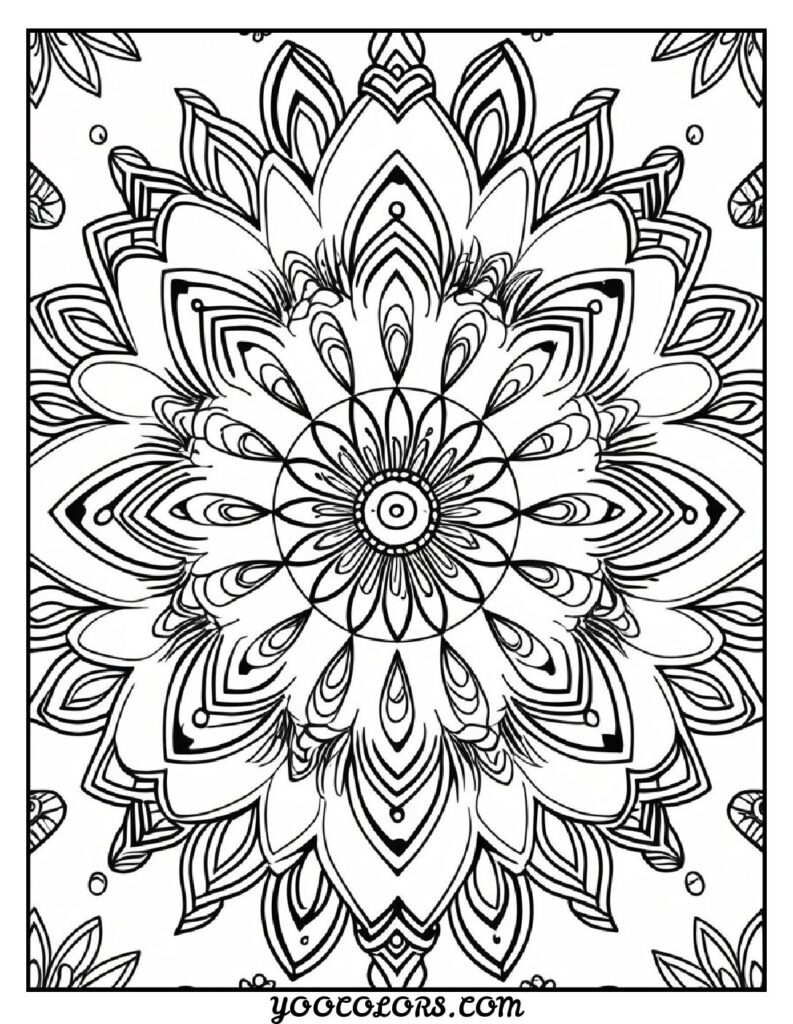
Hand-drawn mandala coloring templates showcase intricate patterns and detailed designs.
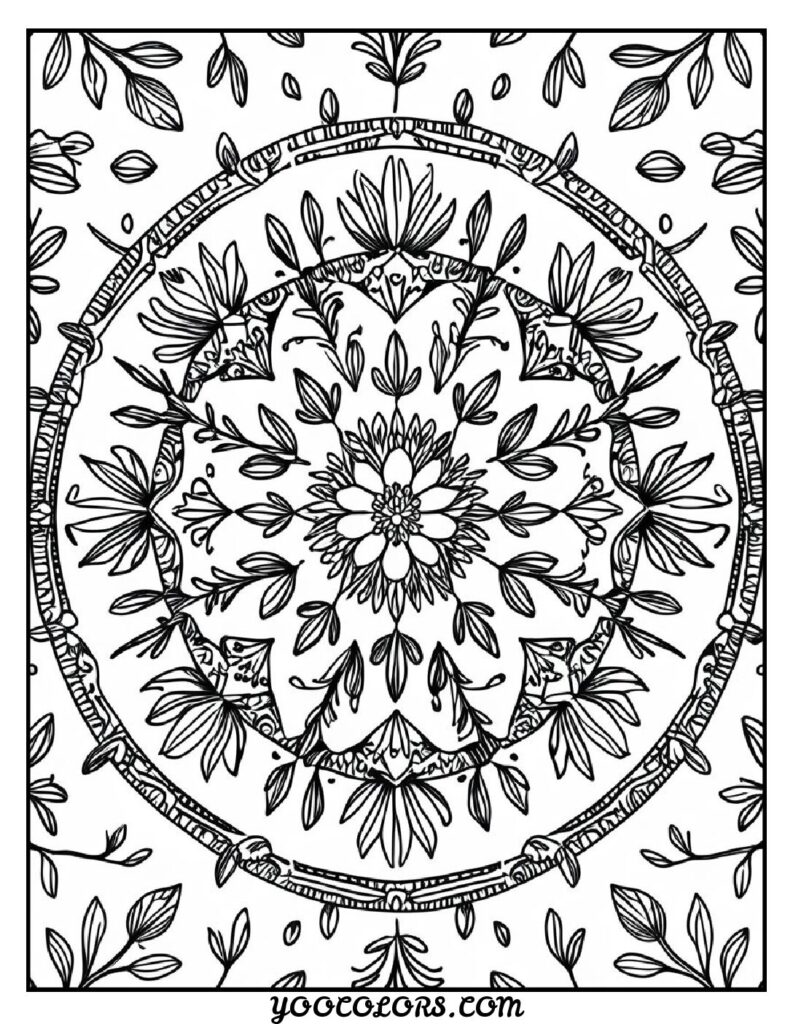
Nature-inspired mandalas blend geometric shapes with elements from the natural world.
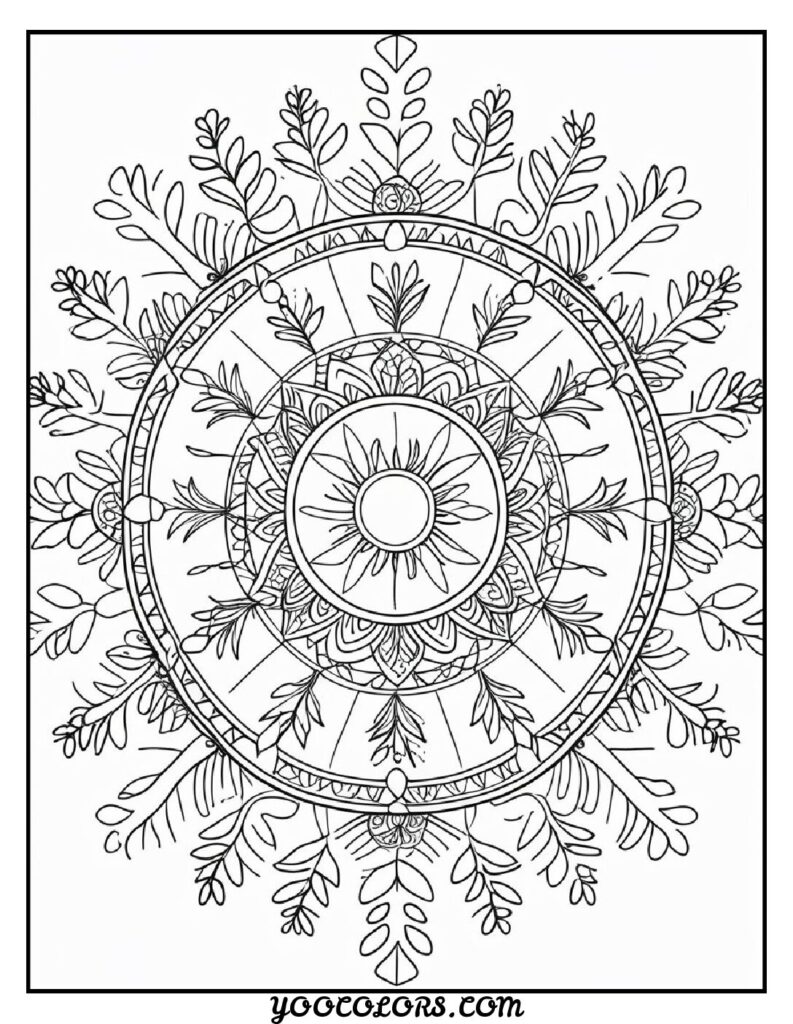
Seasonal mandala coloring sheets focus on the themes of nature’s cycles.
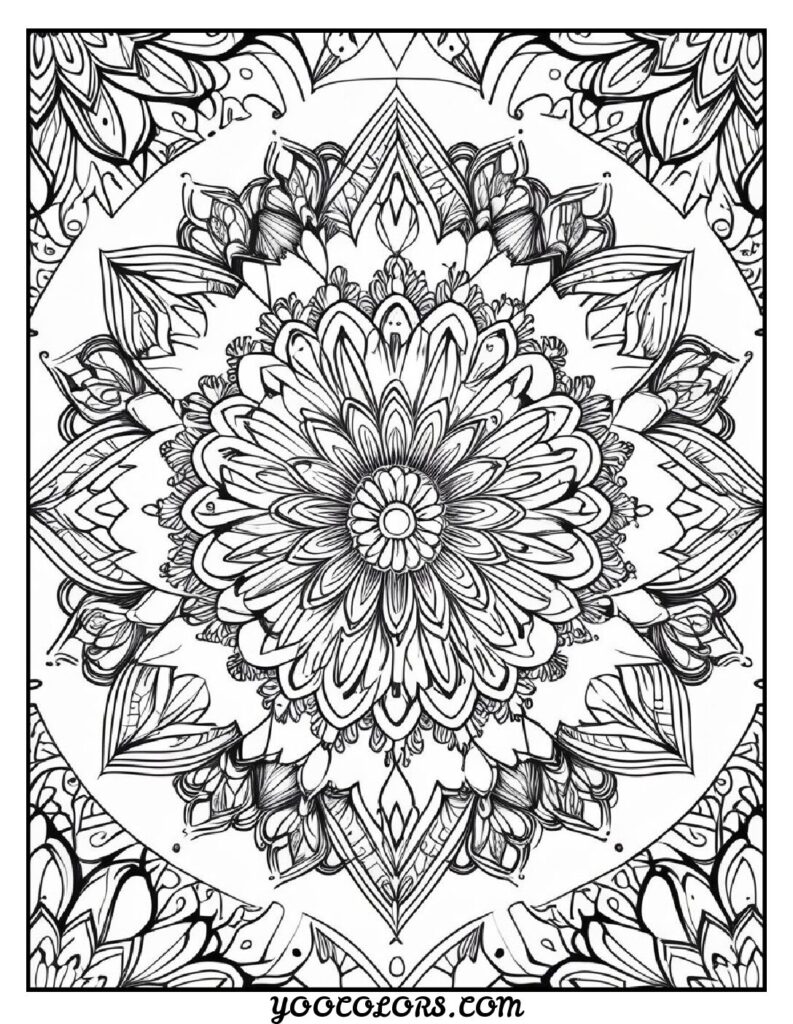
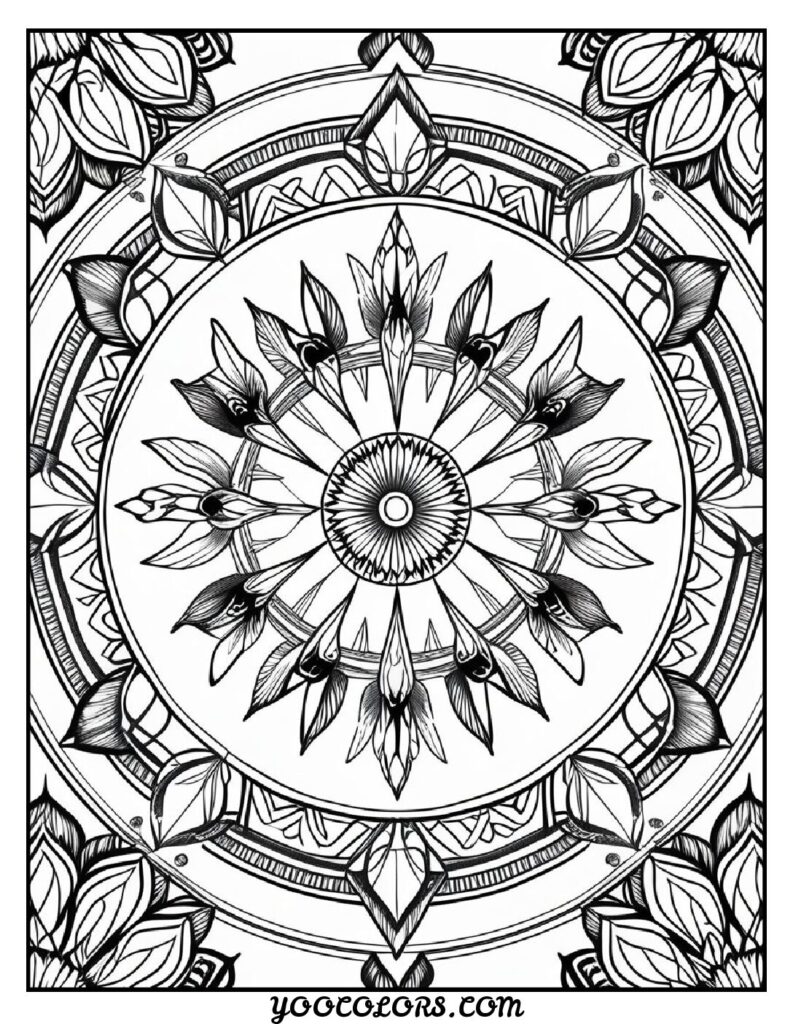
Seasonal mandala coloring sheets focus on the themes of nature’s cycles.
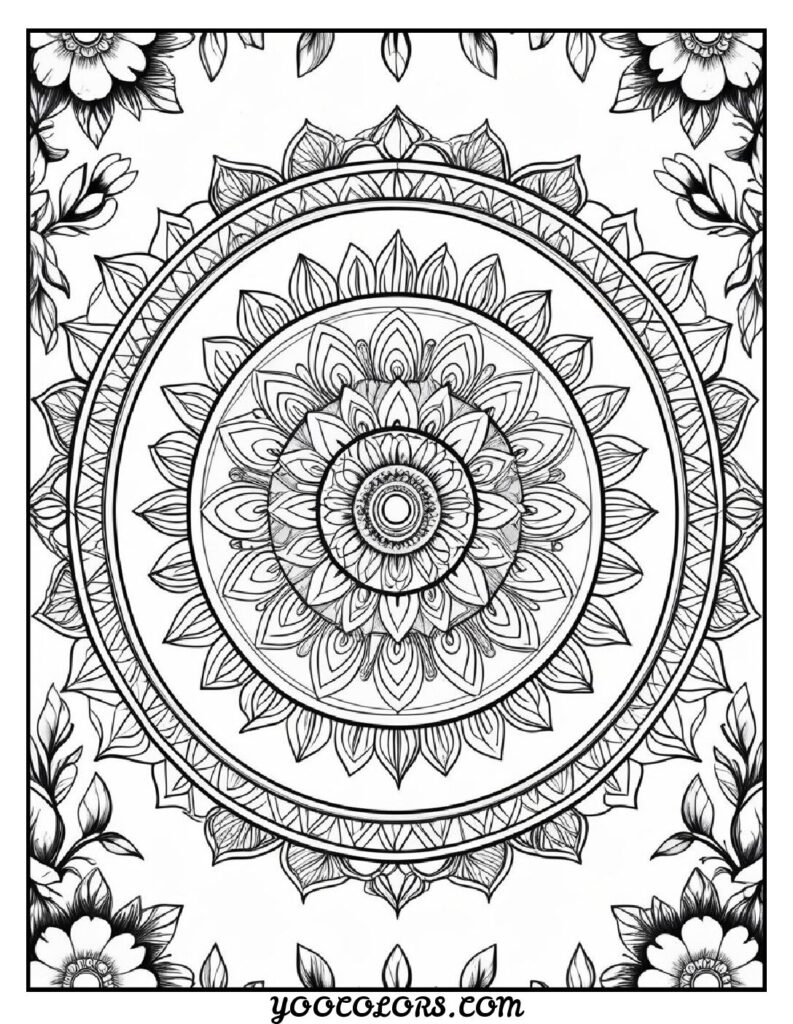
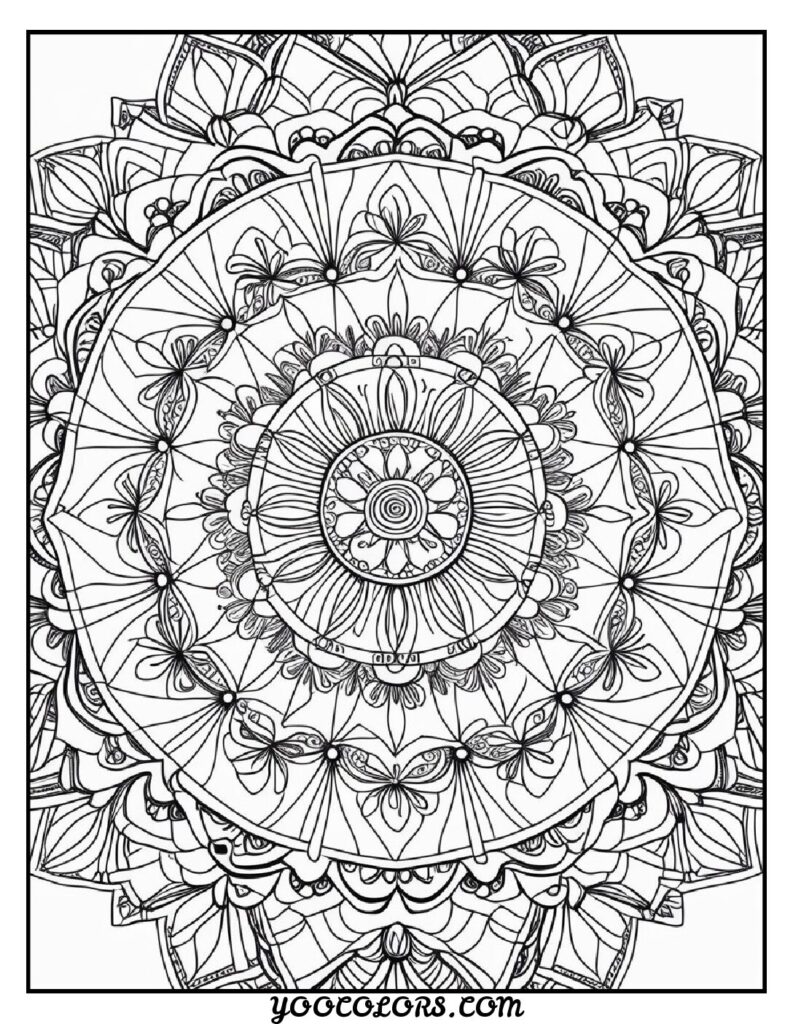
Printable mandala coloring booklets offer a convenient way to access a variety of mandala designs.
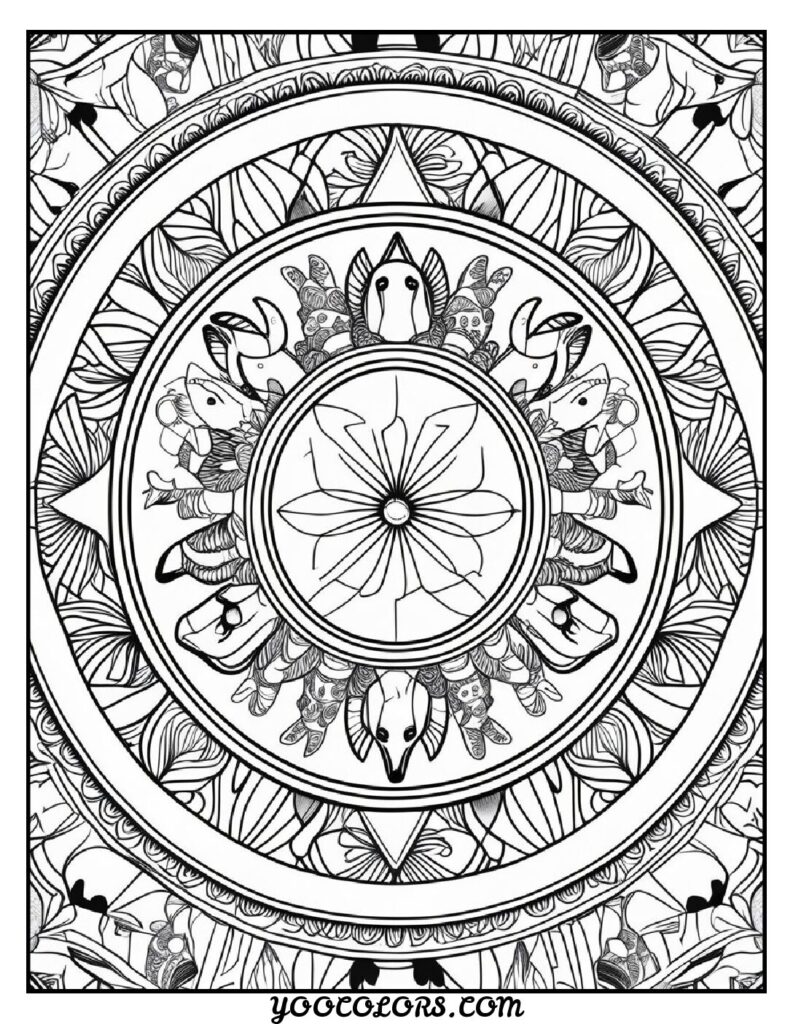
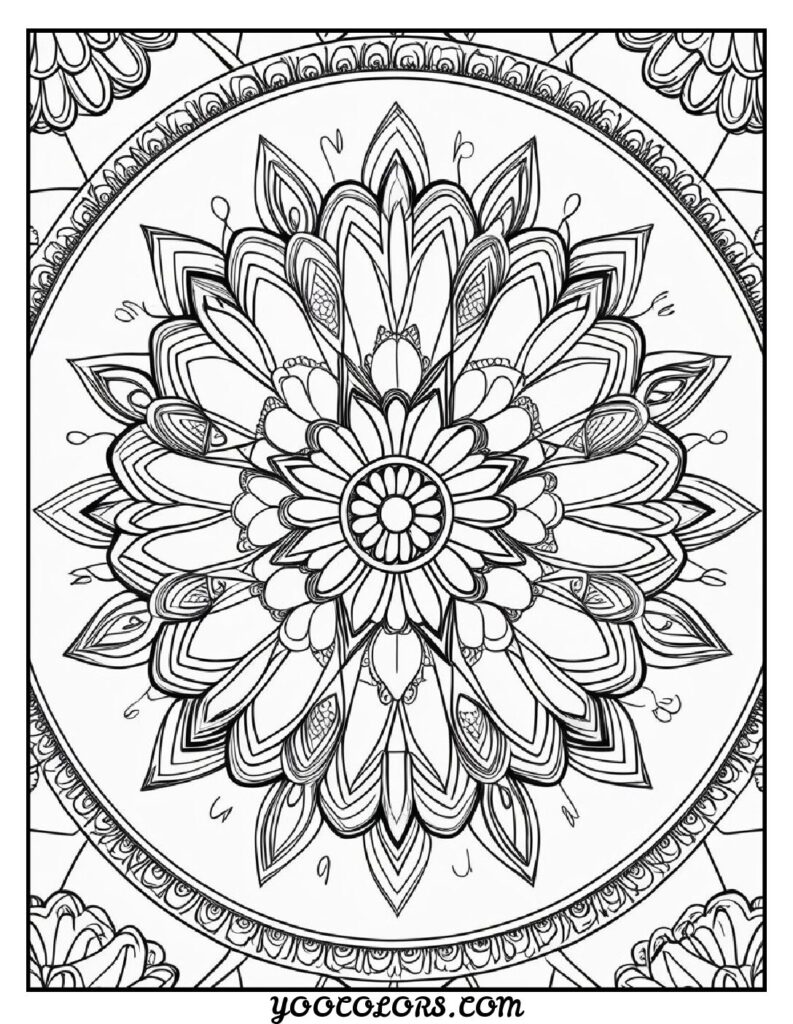
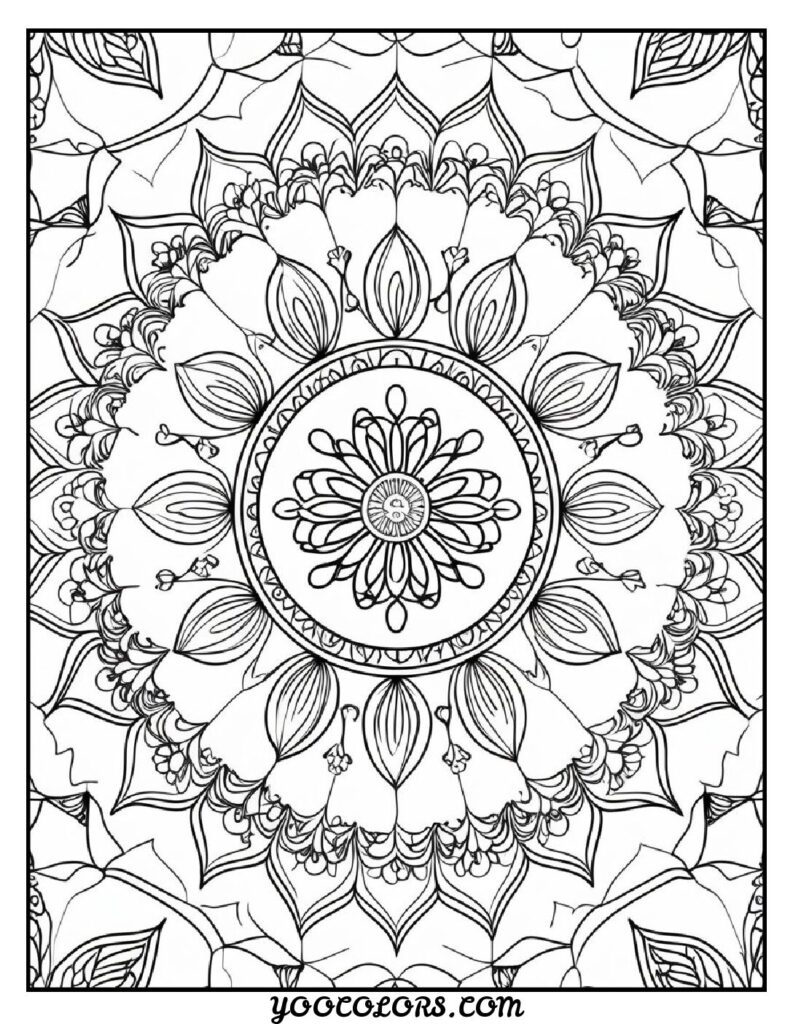
Mandala coloring pages use repeated patterns and symmetry to help people focus.
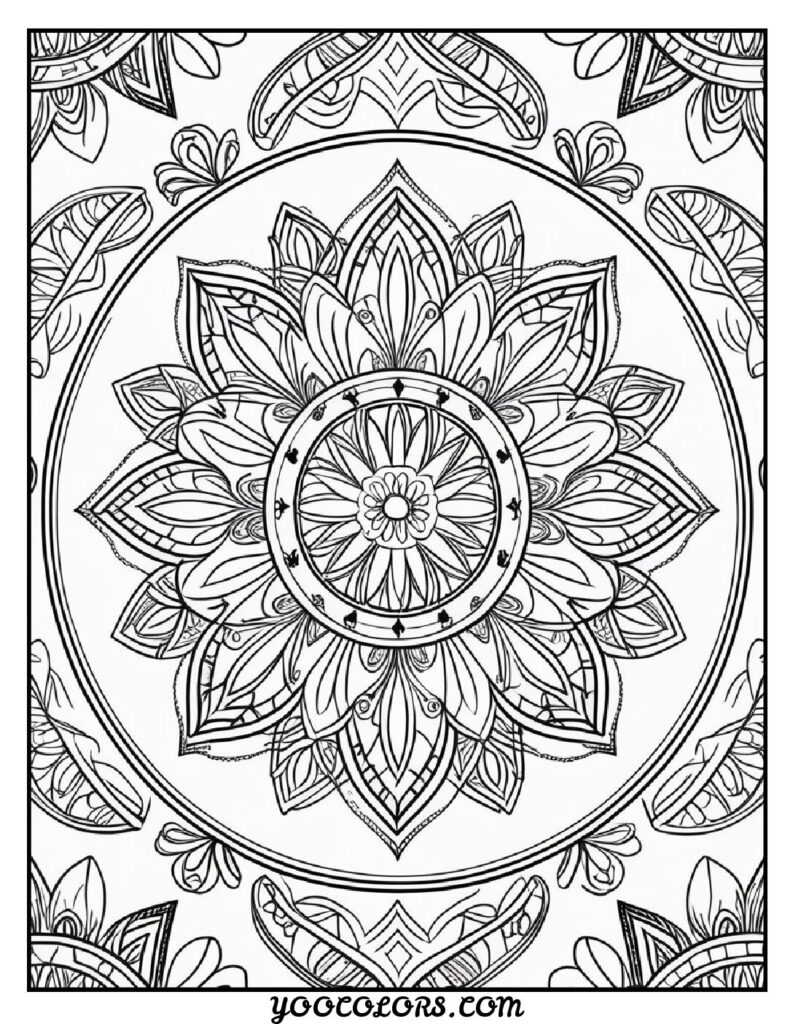
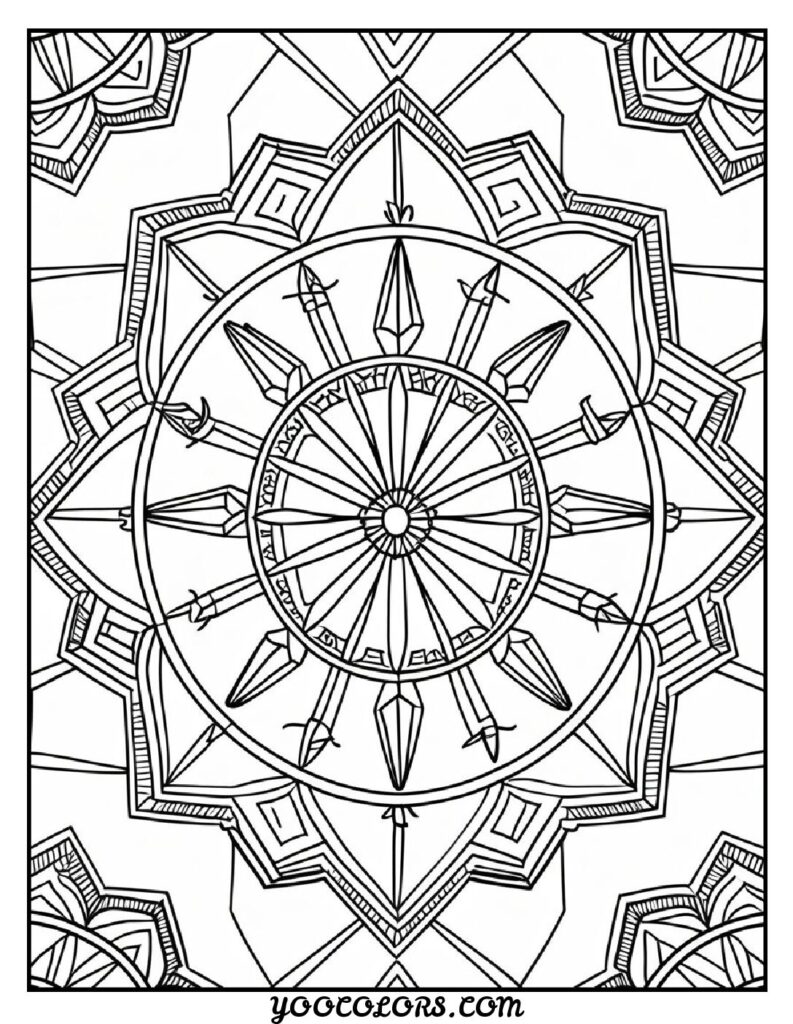
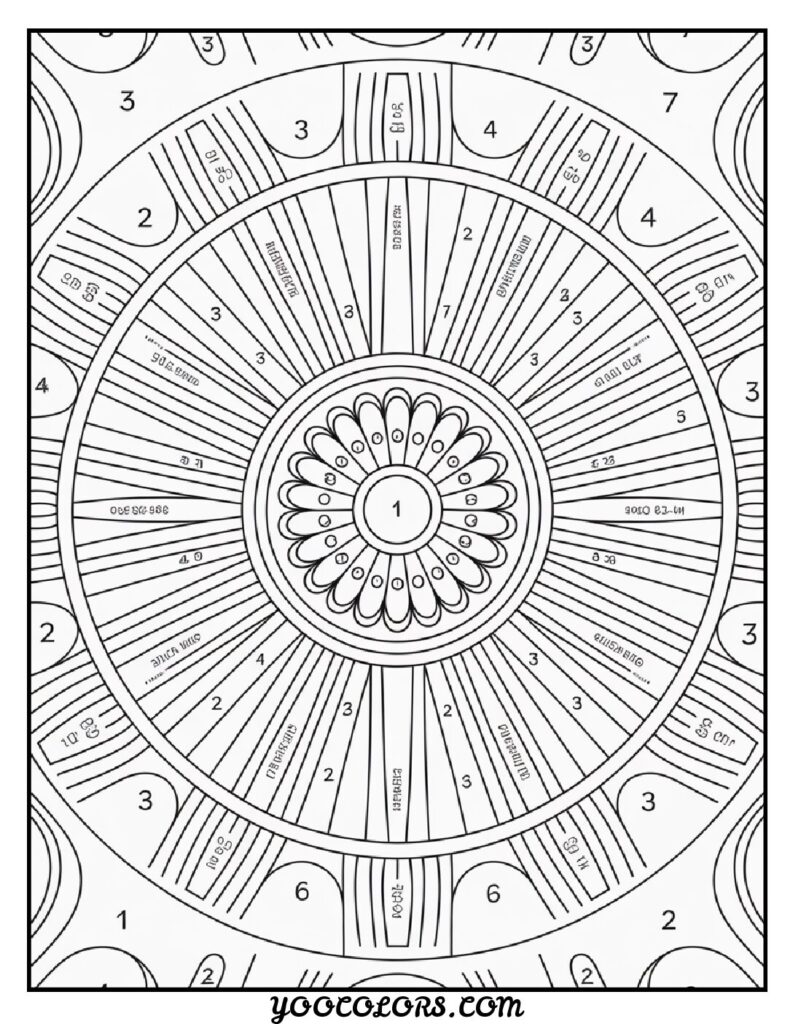
Color-by-number mandala sheets provide a guided way to engage with the art of mandalas.
Understanding Mandalas
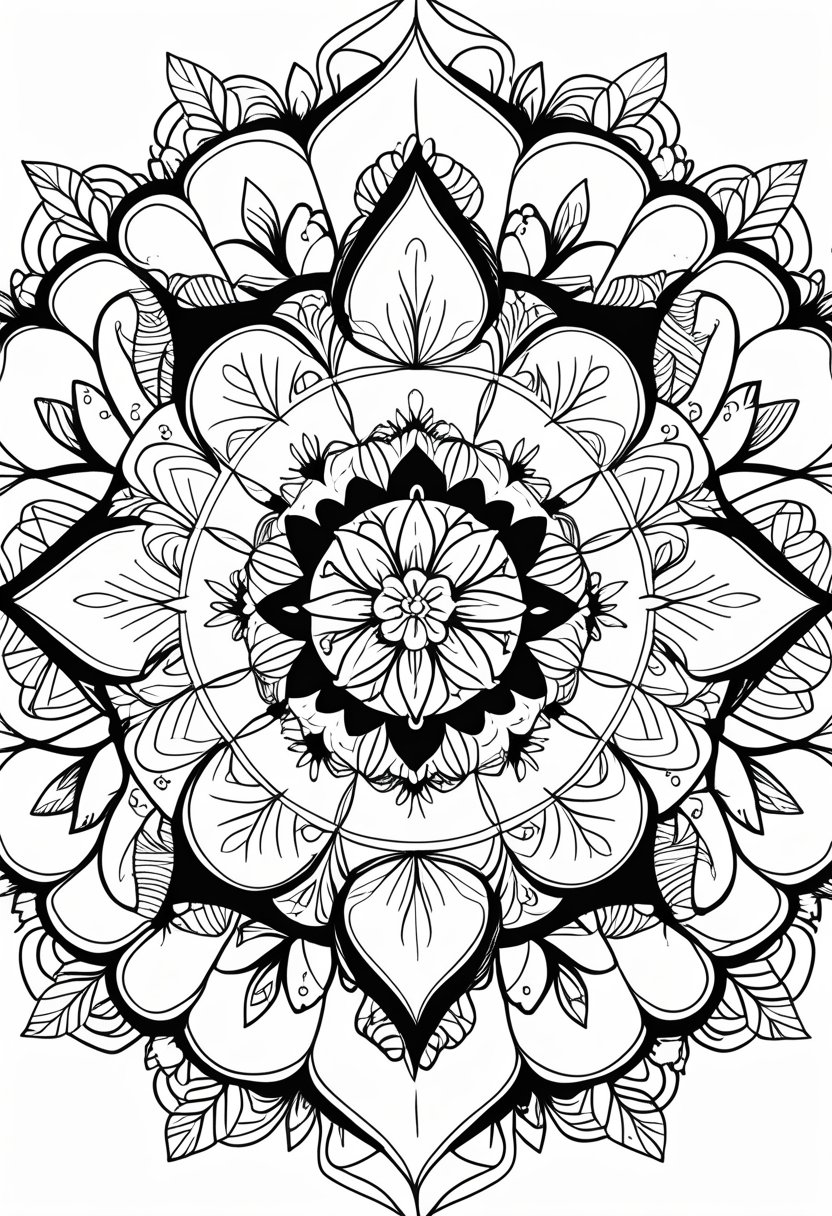
Mandalas are circular designs built from repeated geometric shapes and floral patterns. Their structure often shows balance through symmetry. These designs hold strong cultural and spiritual meanings. They also symbolize ideas like the cycle of life and the connection between art and meditation.
Mandala Origins and Cultural Significance
Mandalas come from ancient traditions, especially within Hinduism and Buddhism. The word mandala means “sacred circle” in Sanskrit. These circles represent wholeness and unity in many cultures.
In religious practices, mandalas serve as tools for meditation and spiritual growth. They are painted or drawn to guide focus and express complex ideas about the universe. Besides religious use, mandalas have grown in popularity worldwide for relaxation and art.
Their cultural significance lies in the way they symbolize the connection between the inner self and the outer world. Different regions have unique mandala styles, but the central theme always involves harmony and balance.
The Role of Geometry and Symmetry
These geometric shapes repeat in intricate ways to create the overall design.
Symmetry gives mandalas their balanced look. Most mandalas mirror their shapes across one or more axes. This symmetry makes coloring mandalas calming, as the brain focuses on orderly, predictable patterns.
Floral motifs also fit into this geometric order, blending nature-inspired curves with strict shapes. The process of working within these smooth, repetitive patterns encourages mindfulness and helps reduce stress.
Spirituality and the Circle of Life
Mandalas often express spiritual concepts through their designs. The circle shape symbolizes the “circle of life,” showing the endless flow of time and existence.
In spiritual teachings, mandalas represent the journey from the outside world to inner peace. Coloring or creating a mandala is a way to practice mindfulness and deepen one’s connection to the spiritual self.
The detailed, abstract designs often reflect themes like balance, transformation, and healing. Through this, mandalas serve as both artistic expressions and tools for therapy, helping people find relaxation and focus.
Artistic Aspects of Free Printable Mandala Coloring Pages
Mandala coloring pages combine precise geometry and creative design. They often feature balanced forms like circles and spirals, alongside detailed patterns and symbolic shapes. The choice of color adds another layer of expression, helping enhance focus and relaxation during coloring.
Patterns, Circles, and Spirals
The core of many mandalas is built on repetitive patterns that create a sense of harmony. These patterns use shapes like circles, triangles, or diamonds, arranged symmetrically to achieve balance. Symmetry is key, often making the design appear mirrored or evenly spaced.
Circles symbolize unity and completeness, commonly appearing at the center or throughout the mandala. Spirals are curved lines that add flow and movement, offering a contrast to strict geometric forms. Together, these elements support both the visual appeal and meditative quality of mandalas.
Floral and Abstract Designs
Many mandalas include floral motifs petal shapes, vines, or leaf forms that soften the geometric layout. These floral patterns add organic beauty and connect the design to nature and the circle of life theme.
Alternatively, some mandalas feature abstract or stylized shapes that do not directly represent real objects. These can include complex, freeform designs based on geometry and creativity. Abstract mandalas allow for more personal interpretation and artistic freedom while maintaining symmetry and balance.
Choosing a Color Palette
Selecting a color palette is an important part of the mandala coloring process. Colors can influence mood and focus, contributing to both relaxation and mindfulness. Some prefer calming tones like blues and greens, while others choose bright colors to stimulate creativity.
People often decide on complementary or contrasting colors to highlight different sections within the circular design. Using shading or blending can bring depth to the mandala, emphasizing the intricate details and enhancing the overall experience.
Wellness Benefits of Mandala Coloring
Mandala coloring pages combine art, design, and geometry to create a detailed and balanced experience. Coloring these symmetrical patterns made of circles, spirals, and floral shapes can improve mental health and emotional well-being by engaging focus, promoting calmness, and encouraging creative thinking.
Relaxation and Stress Relief
Coloring mandalas helps reduce stress by activating the nervous system’s relaxation response. The repetitive geometric shapes and symmetry promote calmness, lowering blood pressure and easing muscle tension. This focused activity distracts the mind from worries and creates a peaceful mental space.
The detailed and intricate patterns encourage slow, deliberate coloring. This process slows down breathing and heart rate, which supports relaxation. Many find that selecting a harmonious color palette enhances their feeling of peace during the activity.
Therapeutic Effects and Mindfulness
Mandala coloring serves as a form of art therapy that improves mindfulness. The act demands focused attention on design, shapes, and symmetry, drawing the person into the present moment. This mindful awareness can reduce anxiety and improve emotional regulation.
Therapy groups often use mandala coloring to foster social support and shared healing. The spiritual origins of mandalas in Buddhism and Hinduism add layers of meaning, helping individuals connect their inner world with larger concepts like unity and balance.
Enhancing Creativity Through Coloring
Coloring mandalas sparks creativity by encouraging artistic expression within structured patterns. The geometry, floral, and abstract designs allow colorists to experiment freely with different shades and combinations. This boosts self-confidence and motivates new ways of thinking.
People often find inspiration in the balance of the mandala’s circles and spirals. Using varied color palettes and exploring outside the lines enhances self-awareness and artistic freedom, transforming a simple pastime into a creative journey.





One Comment