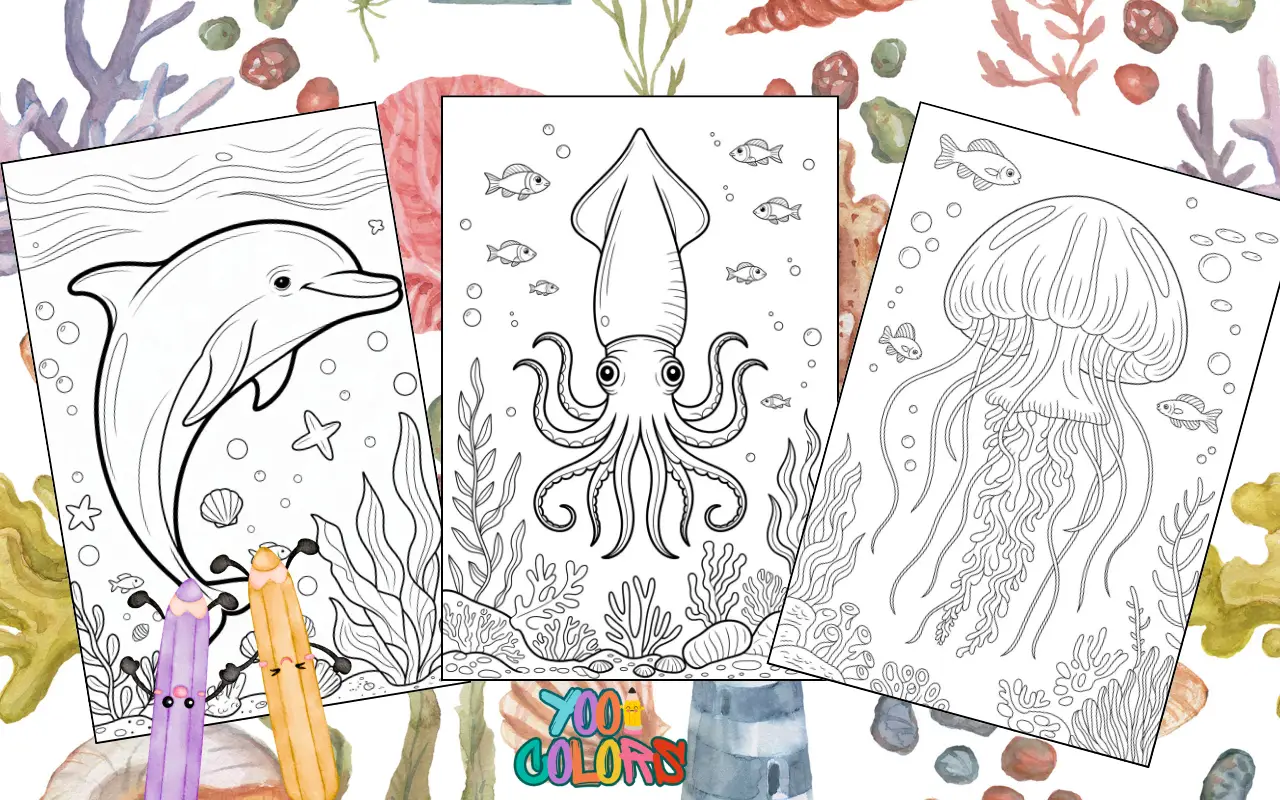
Sea creature coloring pages offer a fun way to explore and learn about the ocean’s diverse animals. They provide an engaging activity for people of all ages, combining creativity with education.
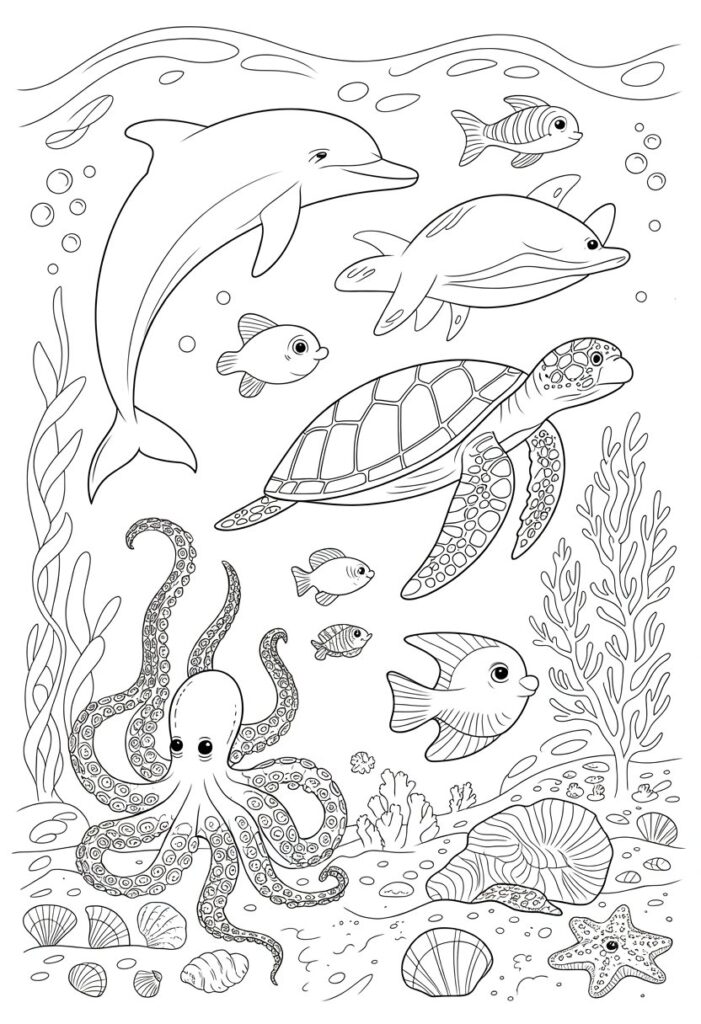
These coloring pages help users discover different sea creatures while enjoying a relaxing and hands-on experience. By using simple designs and familiar animals, they make the ocean world accessible and interesting to everyone.
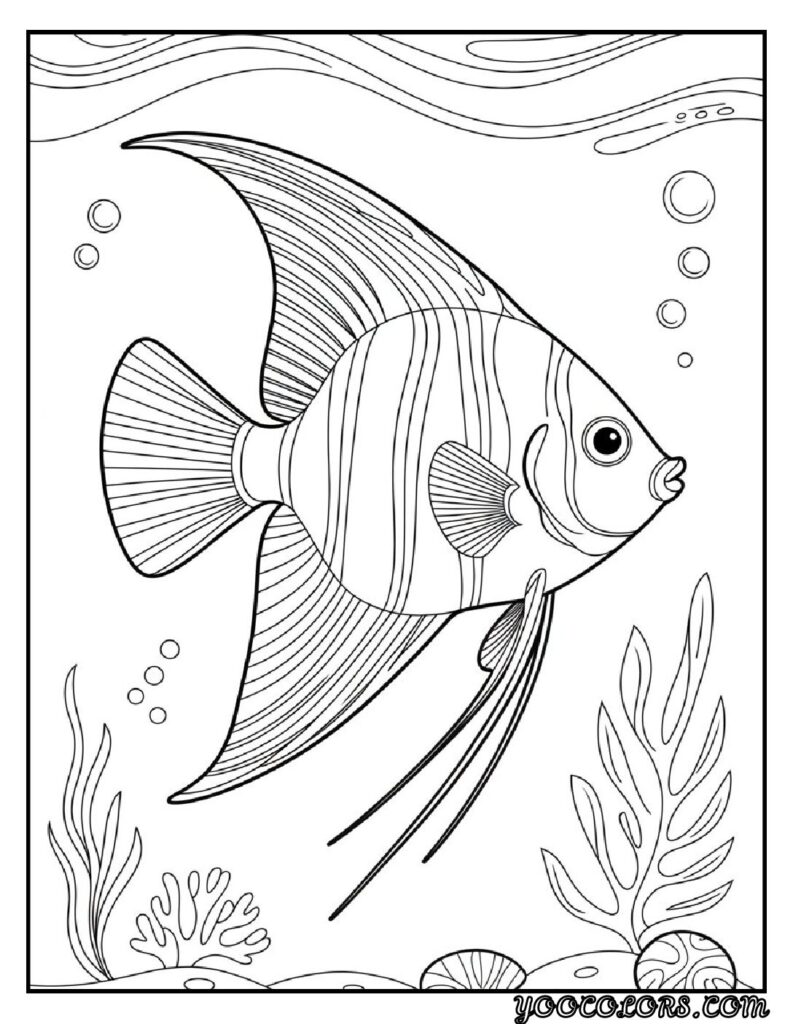

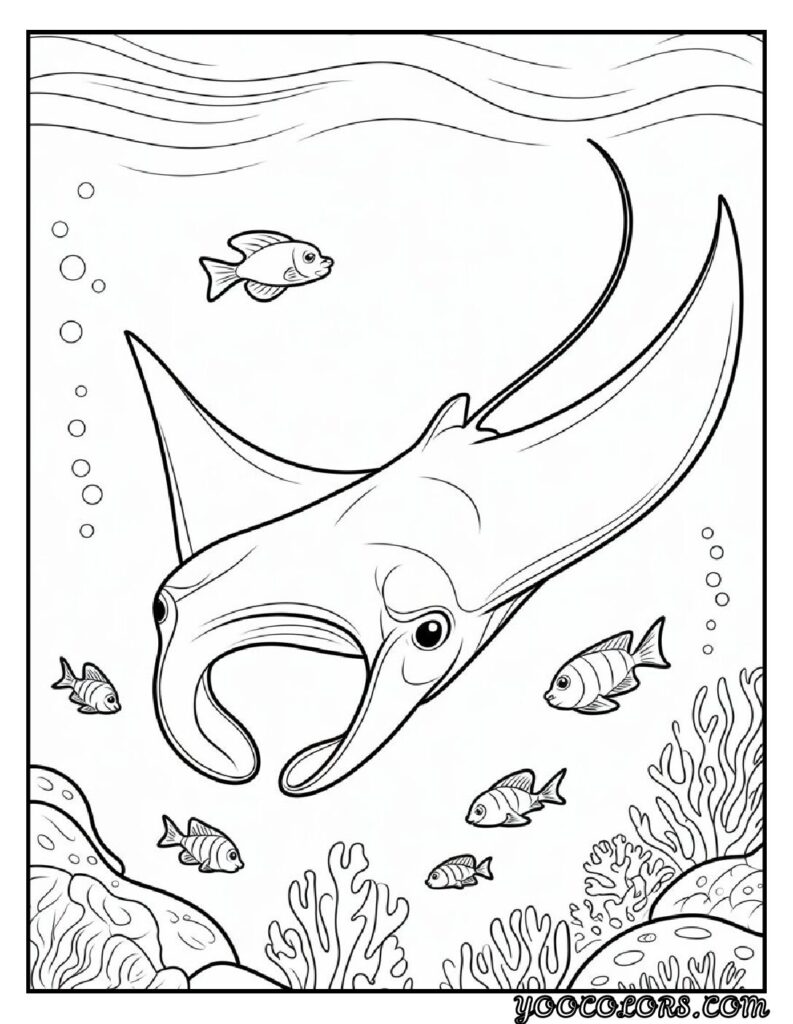
The Educational Benefits of Sea Creature Coloring Pages
Sea creature coloring pages offer more than just entertainment. They help develop important skills by engaging children in activities that require focus, creativity, and learning about real animals.
Enhancing Creativity and Imagination
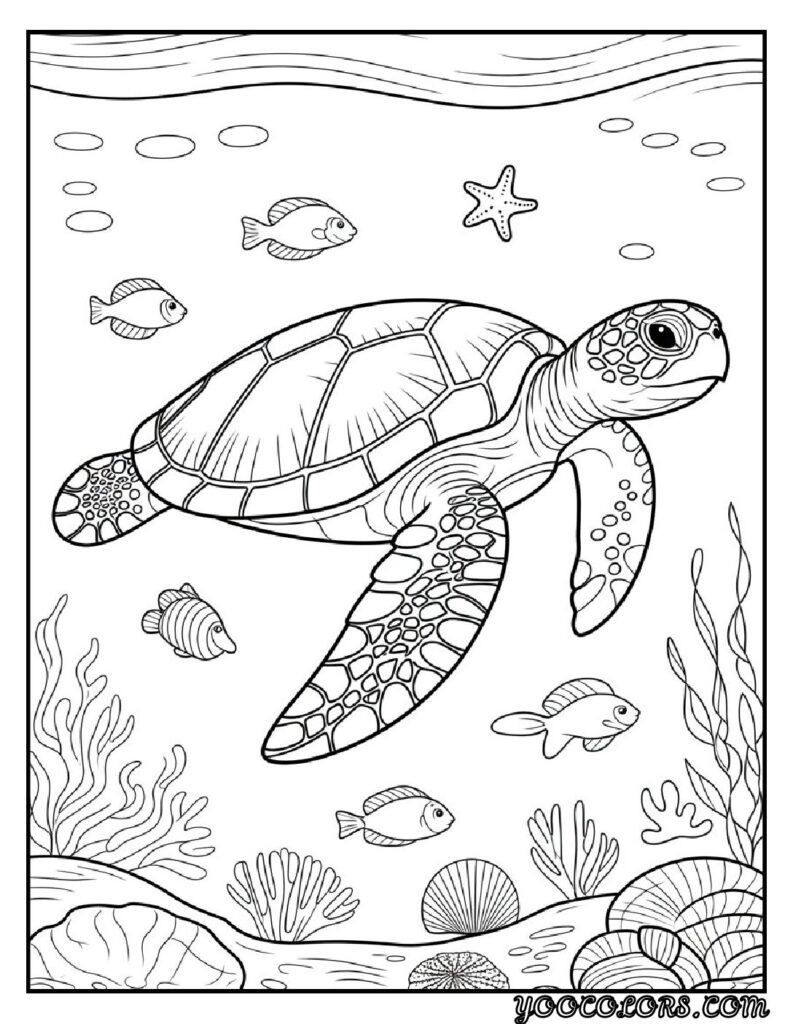
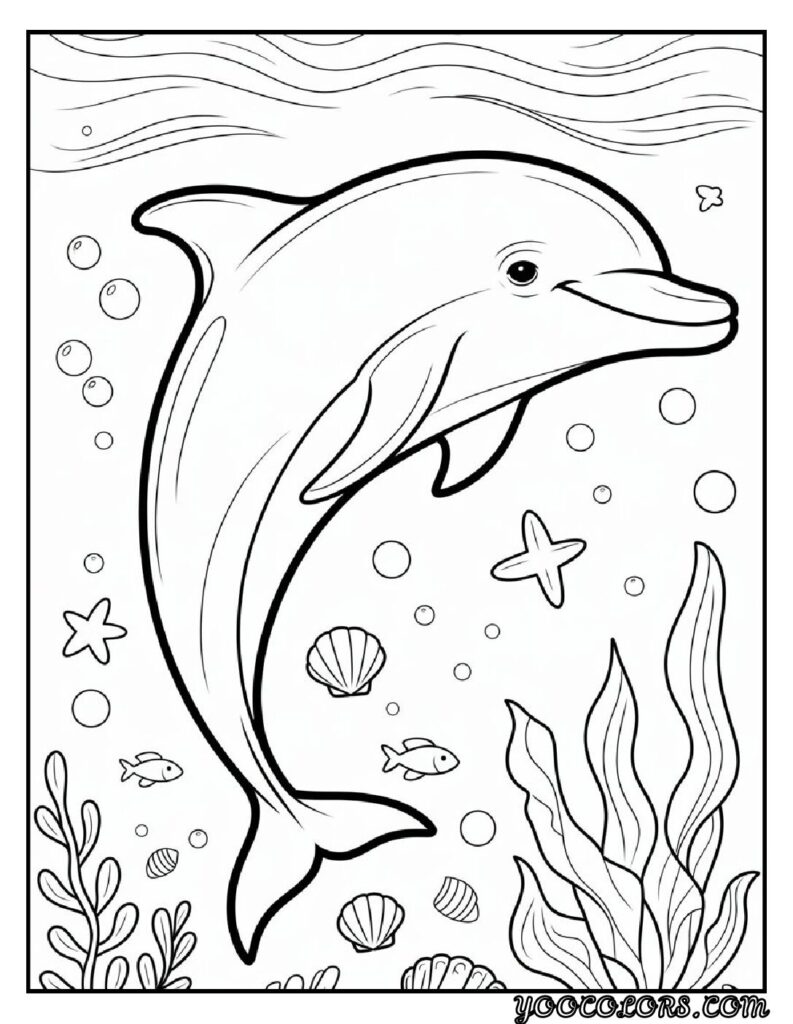
Coloring sea creatures lets children explore different colors and designs while imagining underwater scenes. They decide how to color dolphins, turtles, or coral reefs, which encourages creative thinking.
Using these pages, kids practice mixing colors and inventing patterns. This freedom helps build their artistic skills and allows them to express personal ideas visually. Such creative tasks enhance problem-solving abilities by encouraging children to think about how different colors and shapes work together.
This activity also supports imagination development, as kids picture ocean environments or invent stories about the animals they color. It directs their attention to details, like fins and scales, helping them notice natural forms in a fun way.
Learning About Marine Biology
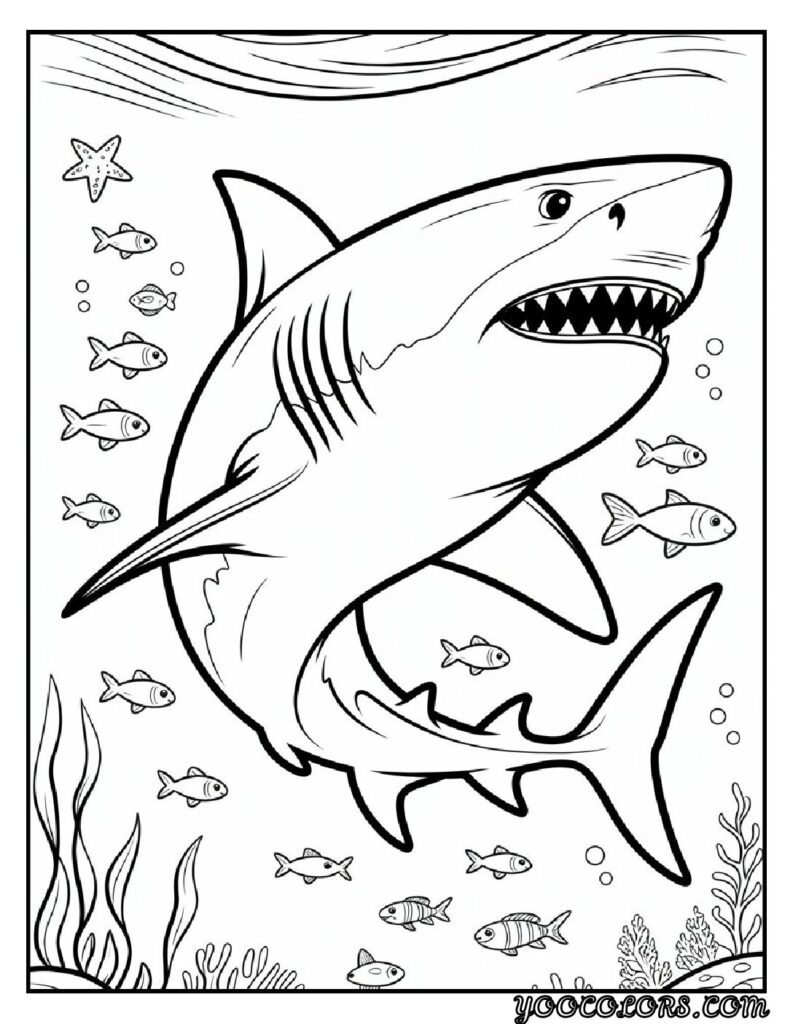
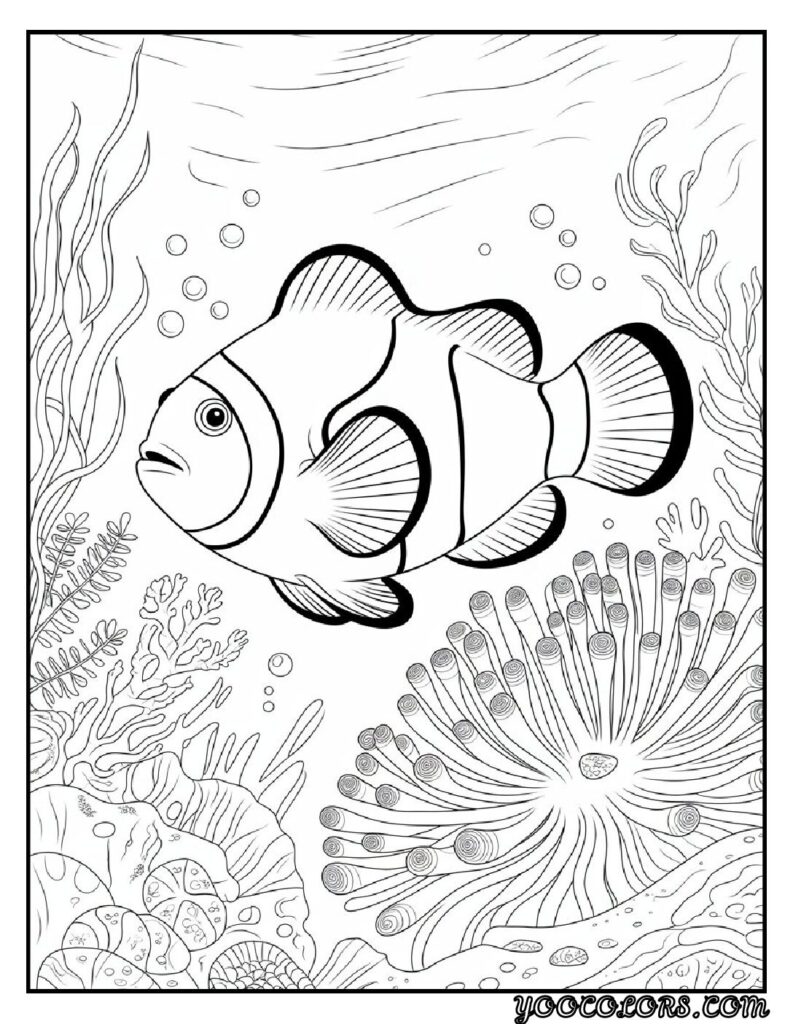
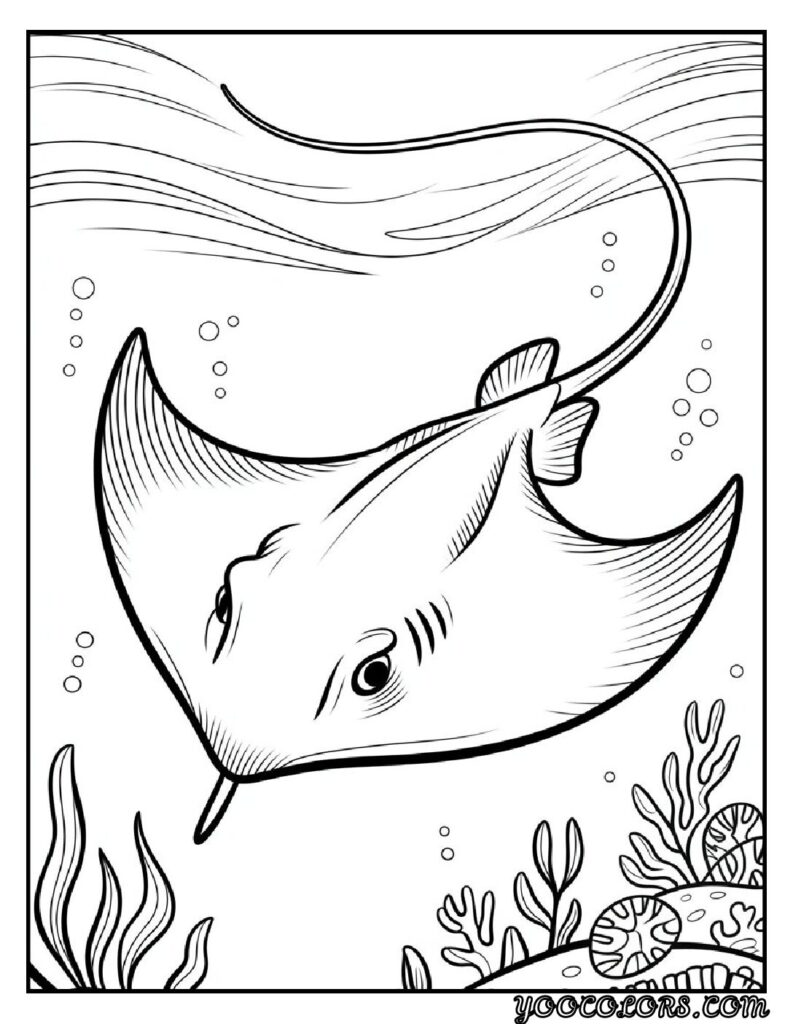
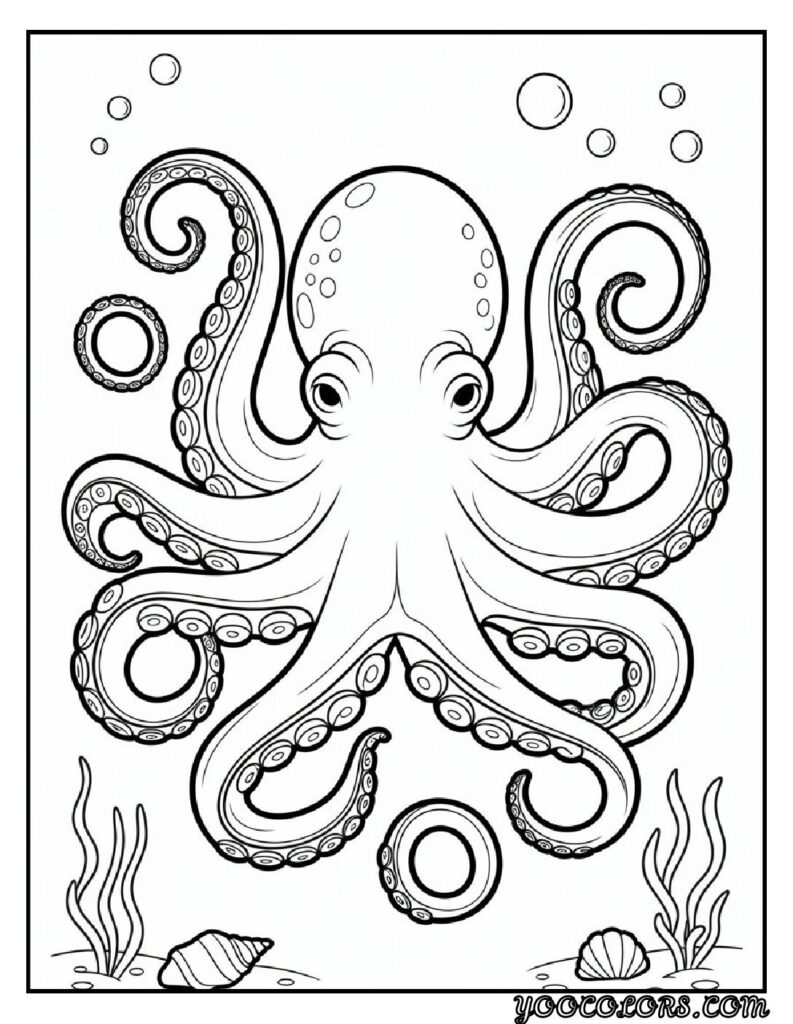
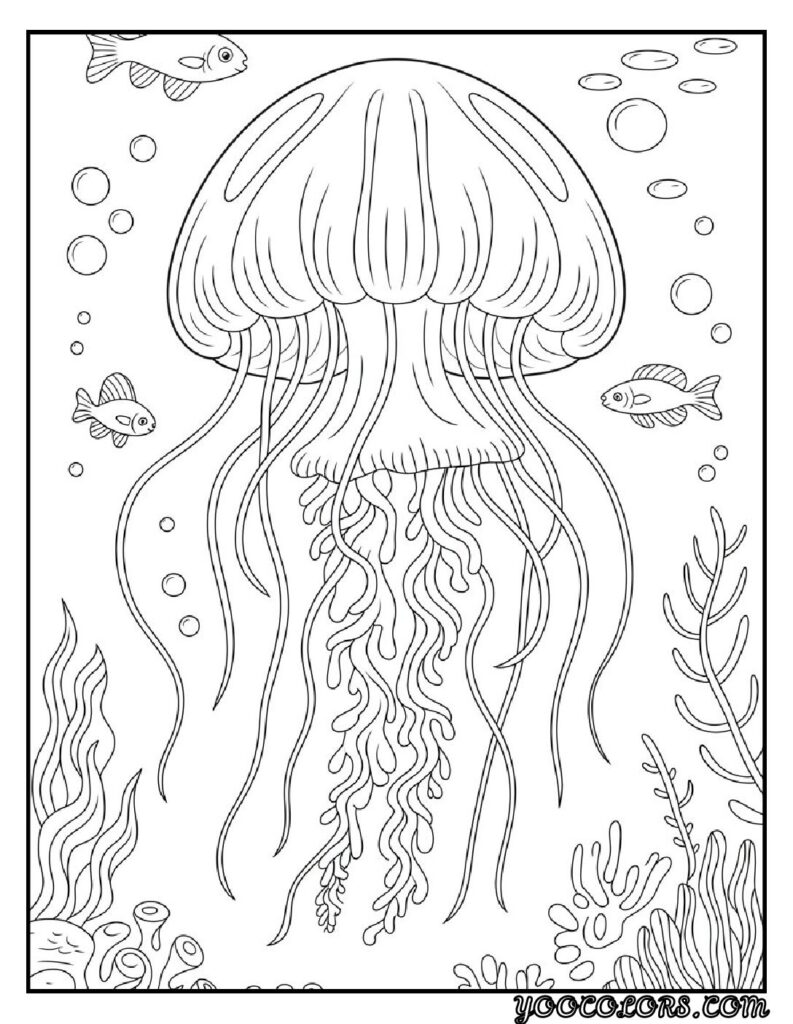
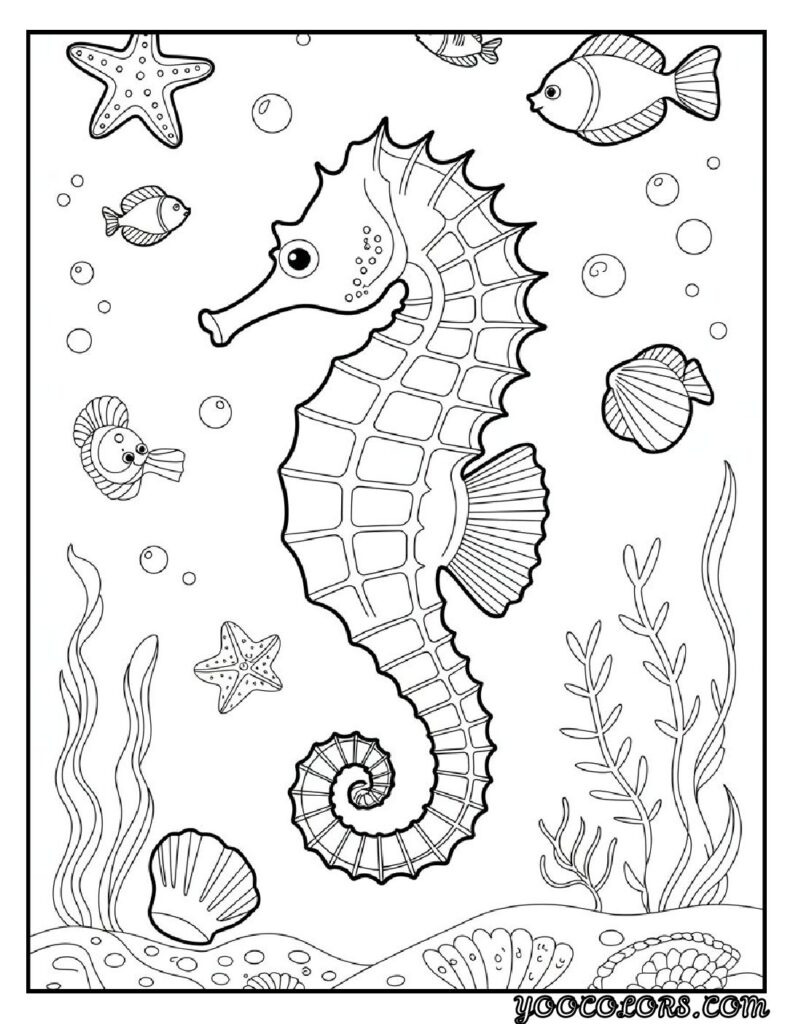
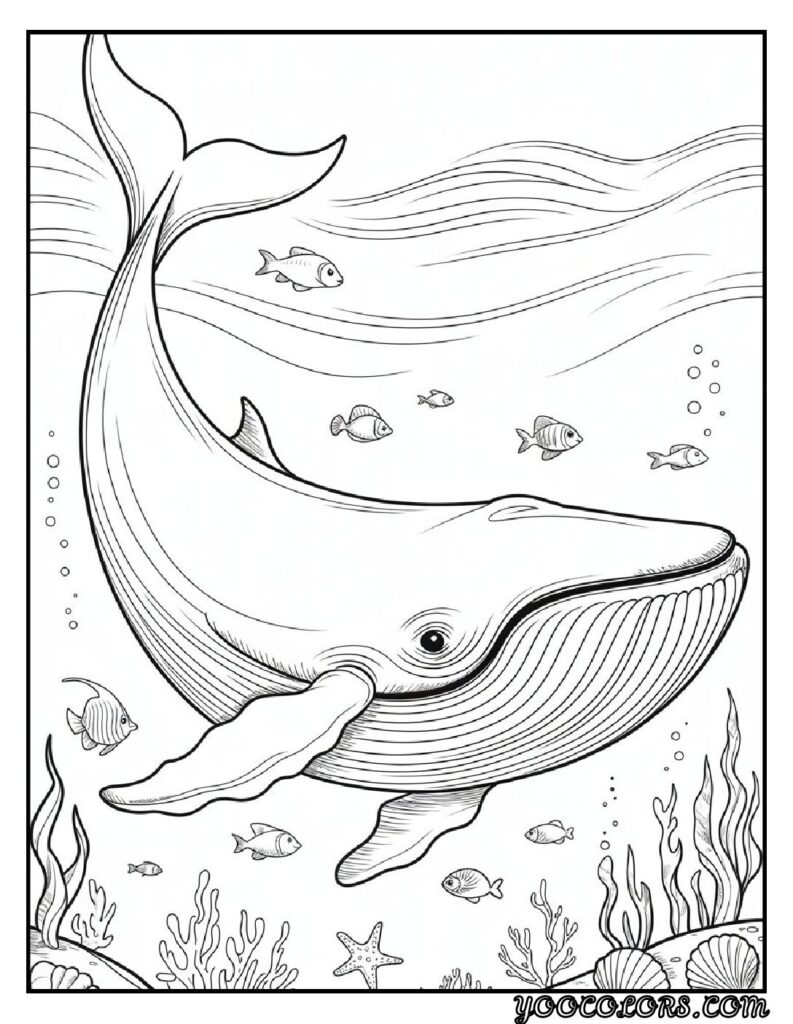
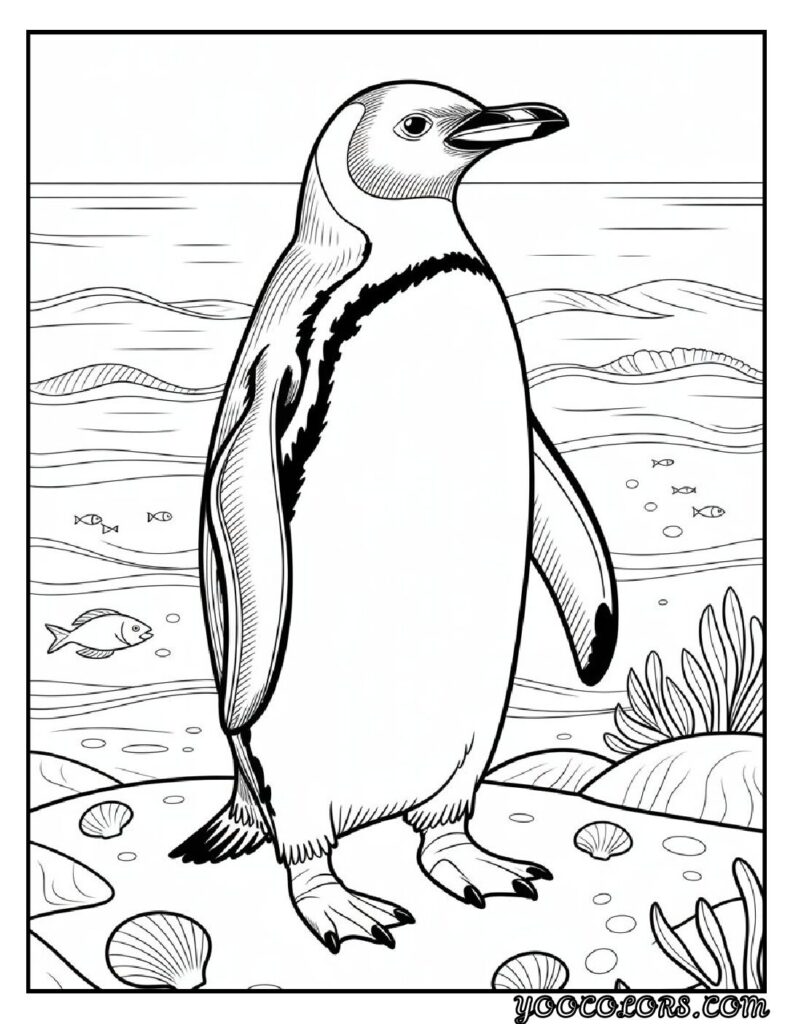
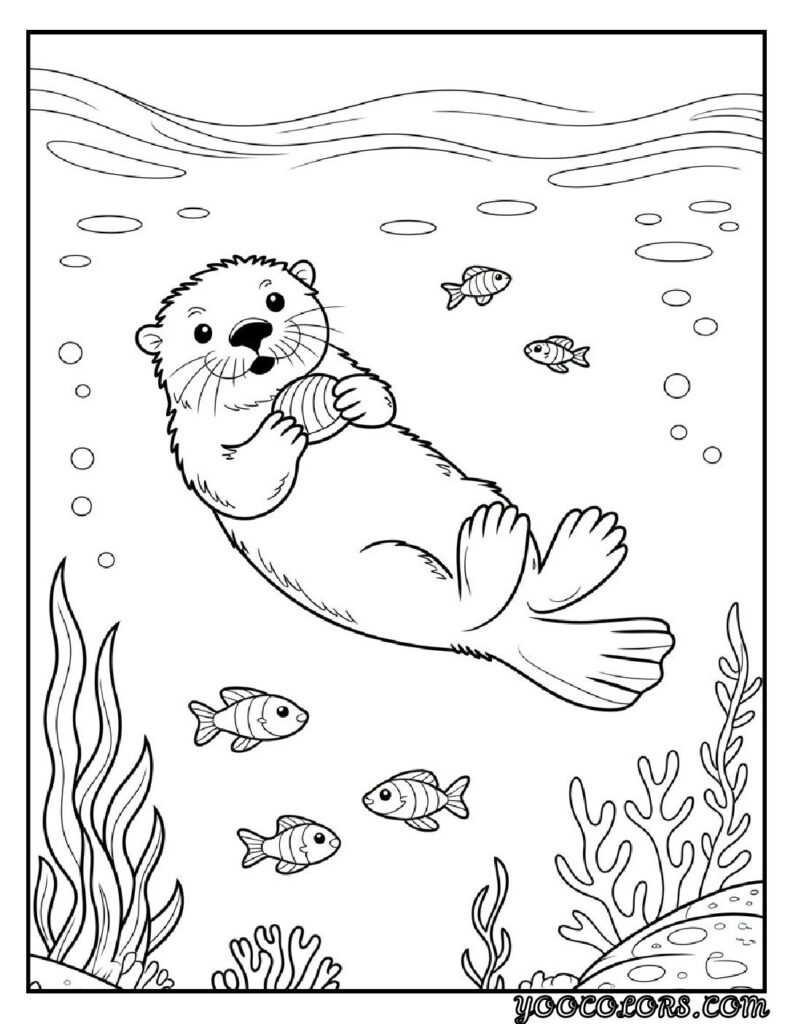
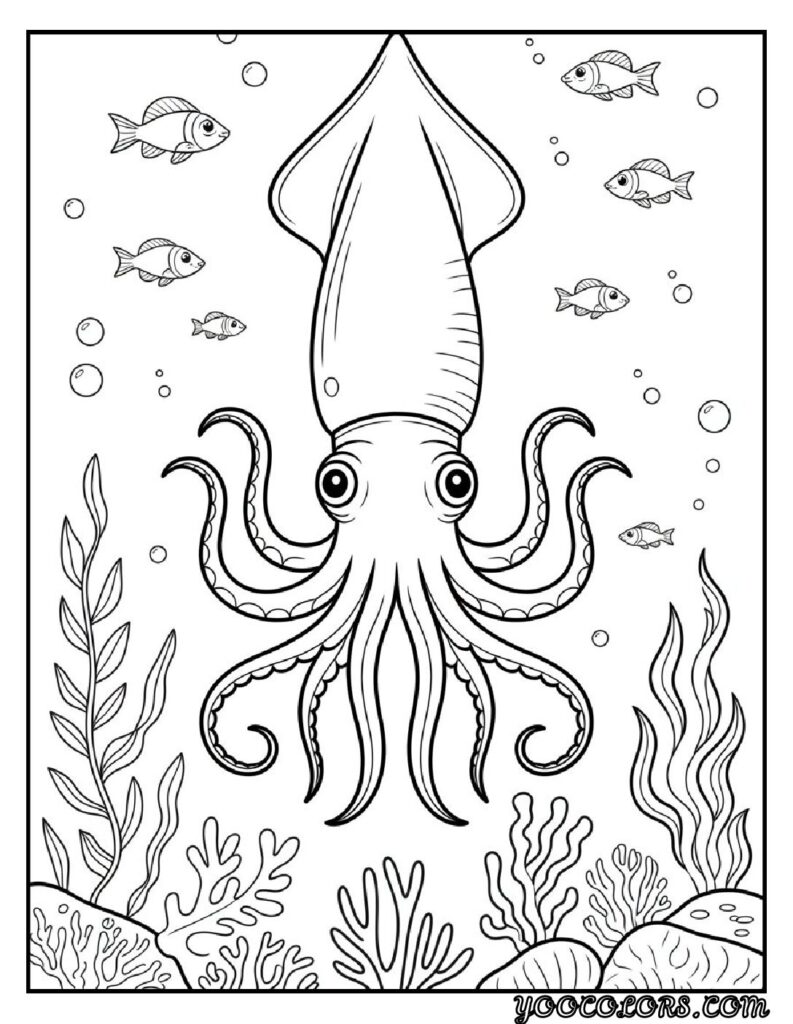
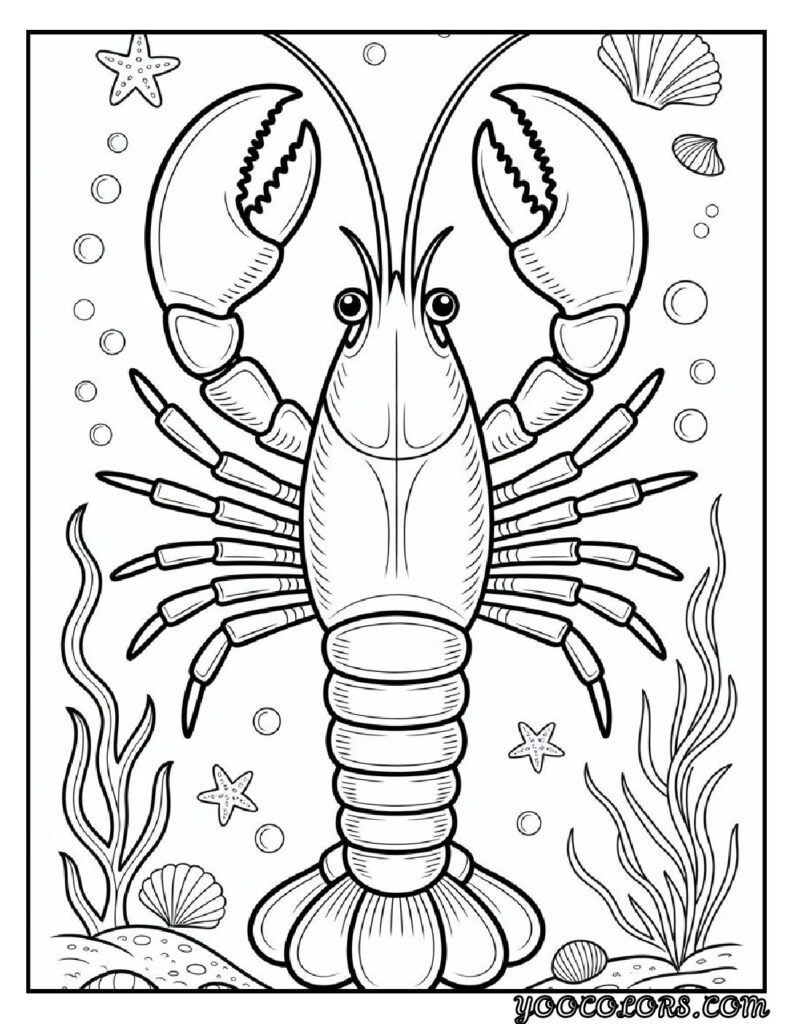
Sea creature coloring pages introduce children to marine life species and their habitats in a simple way. While coloring, kids learn to identify animals like sharks, octopuses, or seahorses.
Each page can serve as a mini-lesson about the ocean. Children recognize animal shapes and facts, such as which creatures live near coral reefs or deep underwater. This boosts knowledge about biodiversity and ecosystems.
These coloring sheets also encourage awareness of marine conservation. By associating fun activities with learning, kids become familiar with the importance of protecting ocean life. This basic understanding supports respect for nature.
Promoting Fine Motor Skills
Coloring requires precise hand movements that improve fine motor control. Using pencils or crayons to fill in sea creatures helps children develop hand-eye coordination.
This practice strengthens muscles needed for writing and other tasks requiring small movements. Staying inside the lines boosts focus and dexterity.
For younger kids or those working on teamwork, coloring sea animals provides an enjoyable way to improve manual skills. These skills support daily activities like buttoning shirts or using utensils. Repeated practice with coloring pages creates steady improvement in control and accuracy.
Tips for Getting the Most Out of Coloring Time
Using the right supplies, exploring different colors freely, and keeping the process fun can improve the coloring experience. These points help build skills and keep interest alive during the activity.
Choosing the Right Materials
Good materials make coloring easier and more enjoyable. Using quality crayons, colored pencils, or markers with smooth tips helps avoid frustration from broken or dull tools.
Paper quality also matters. Thick, smooth paper prevents ink bleed and allows colors to show clearly.
Organizing supplies can save time. A simple container or tray keeps everything in one place, reducing distractions.
Choosing materials that fit the child’s age is important. For younger kids, chunkier crayons work best because they are easier to hold.
Encouraging Exploration of Colors
Encouraging kids to try unusual colors lets their creativity grow. They can use bright blues for fish or even mix colors to create new shades.
Suggest trying different coloring techniques like blending or layering to add depth.
Coloring outside the lines can be a fun way to experiment. It doesn’t need to be perfect to be enjoyable or educational.
Giving access to a wide range of colors, including pastels and neon shades, enriches the experience.
Making Coloring an Engaging Activity
Turn coloring into a shared activity by coloring together or talking about sea creatures on the pages.
Include small challenges, like “color all the fish blue,” to help focus attention and add fun.
Use short breaks to keep energy up. This prevents frustration if the child grows restless.
Pair coloring with a story about ocean life to link learning with creativity.
Creating a display area for finished pages can motivate kids to complete more.