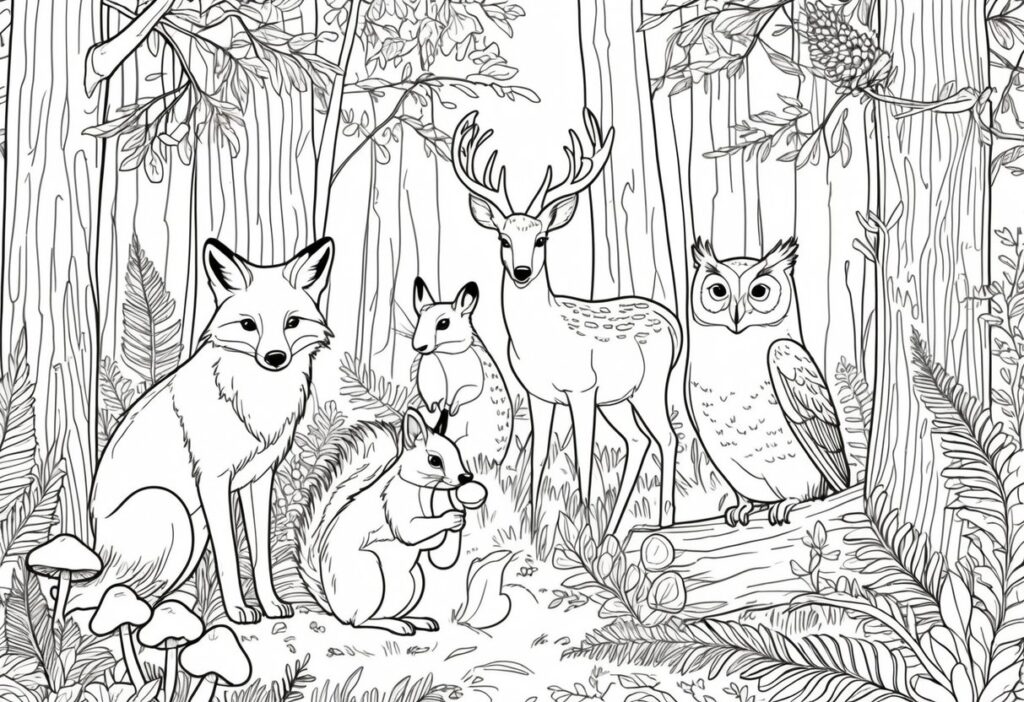
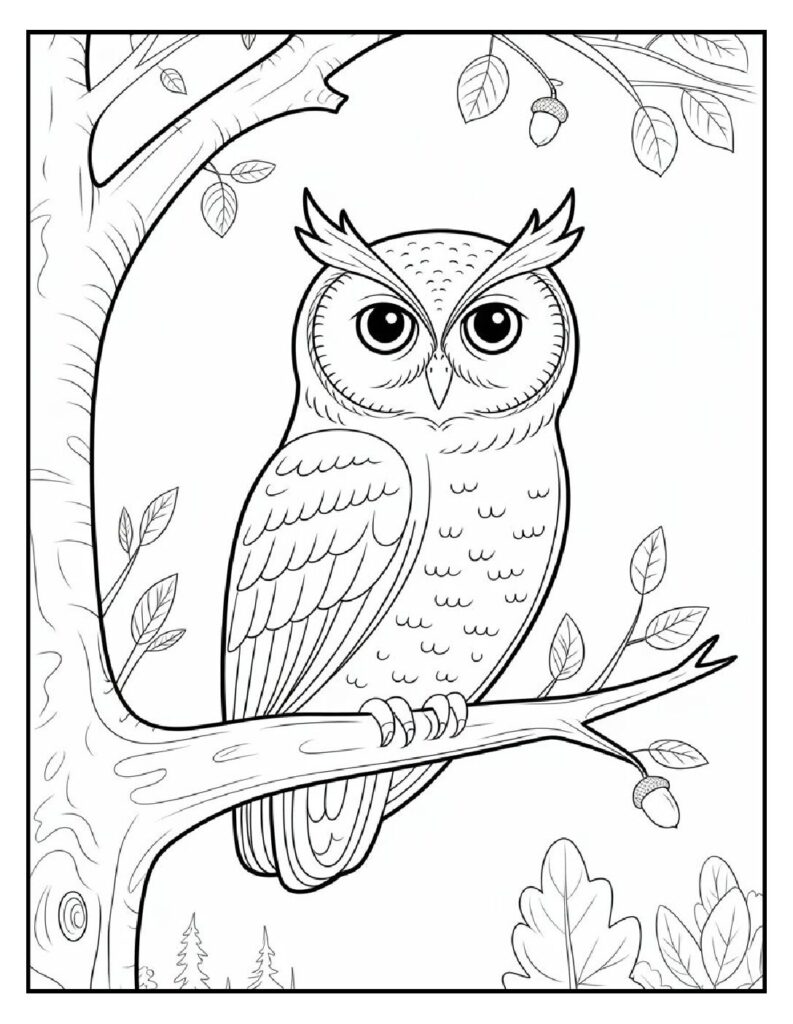
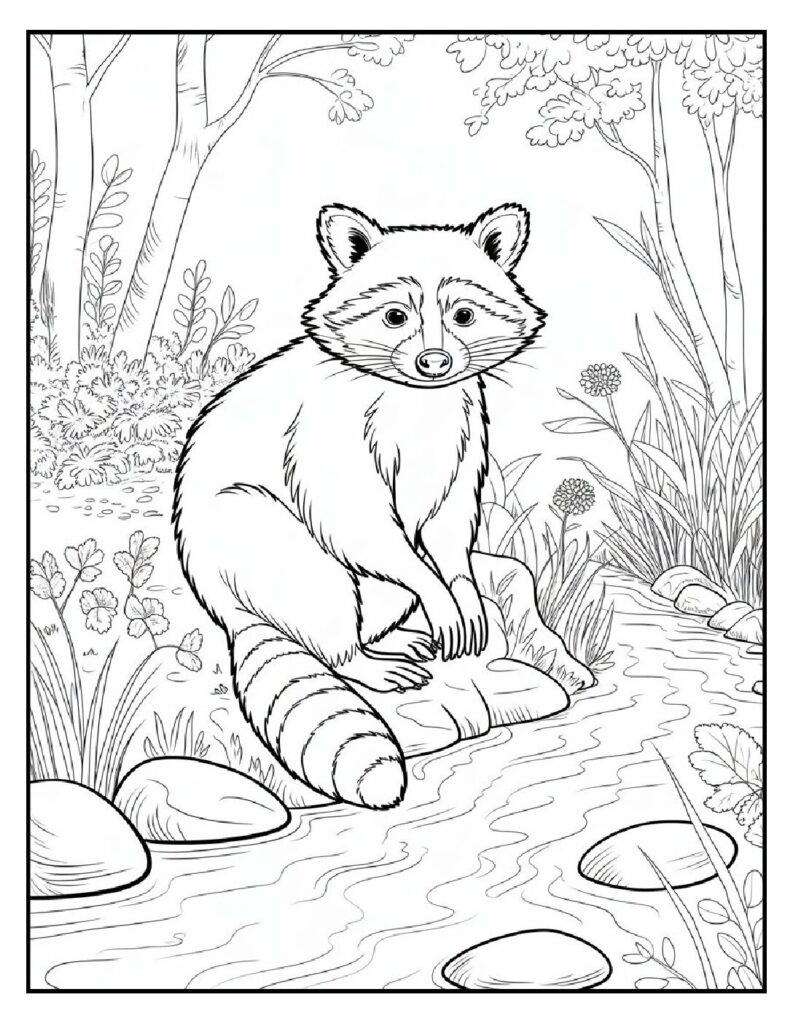
These pages are popular for children and adults as a fun way to explore nature through art.
They provide an easy and relaxing way to learn about woodland creatures while enjoying creative time. Coloring these pages can also help improve focus and fine motor skills.
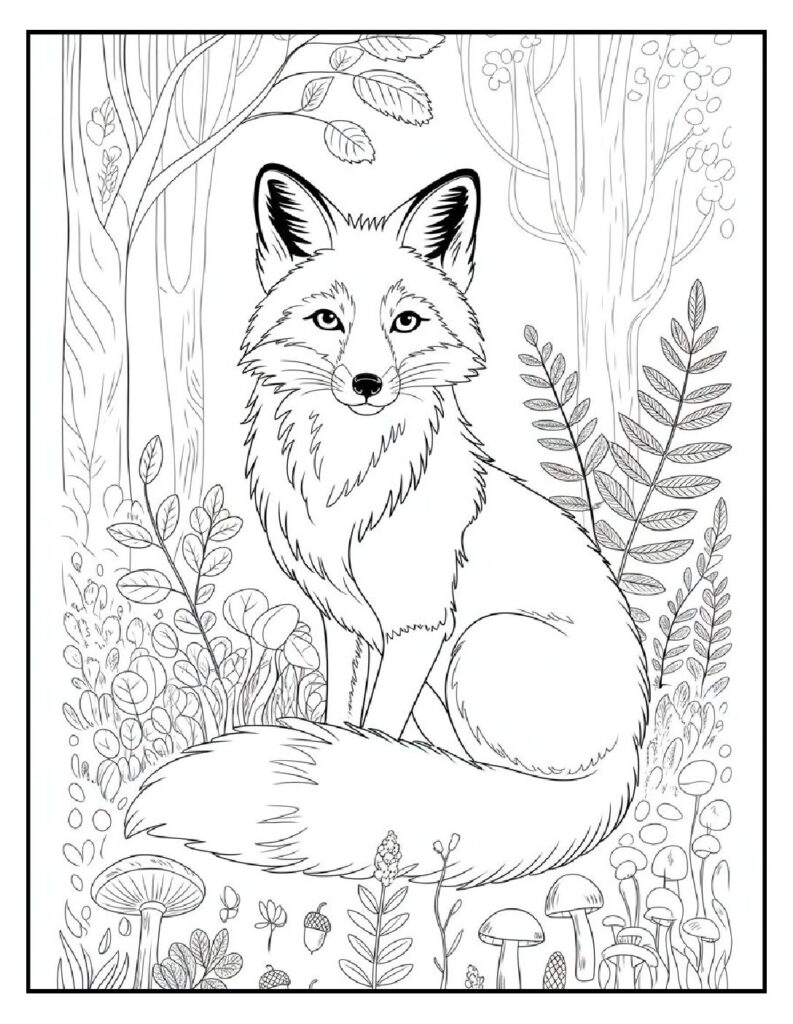
These pages are suitable for both children and adults. They help users learn about fox behavior and appearance through coloring.
Users can print these pages from this page. We offer a simple way to explore nature and enjoy creative time. They are good for quiet activities and encourage creativity. Coloring these pages can also teach children about nature and animal habits.


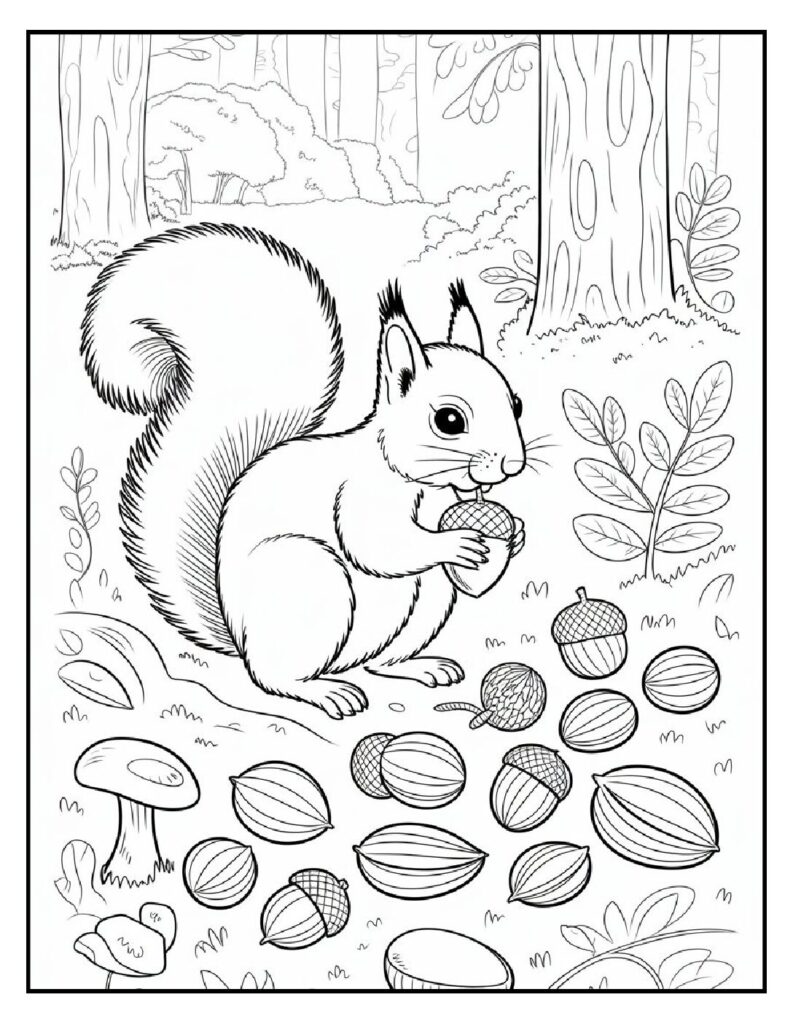
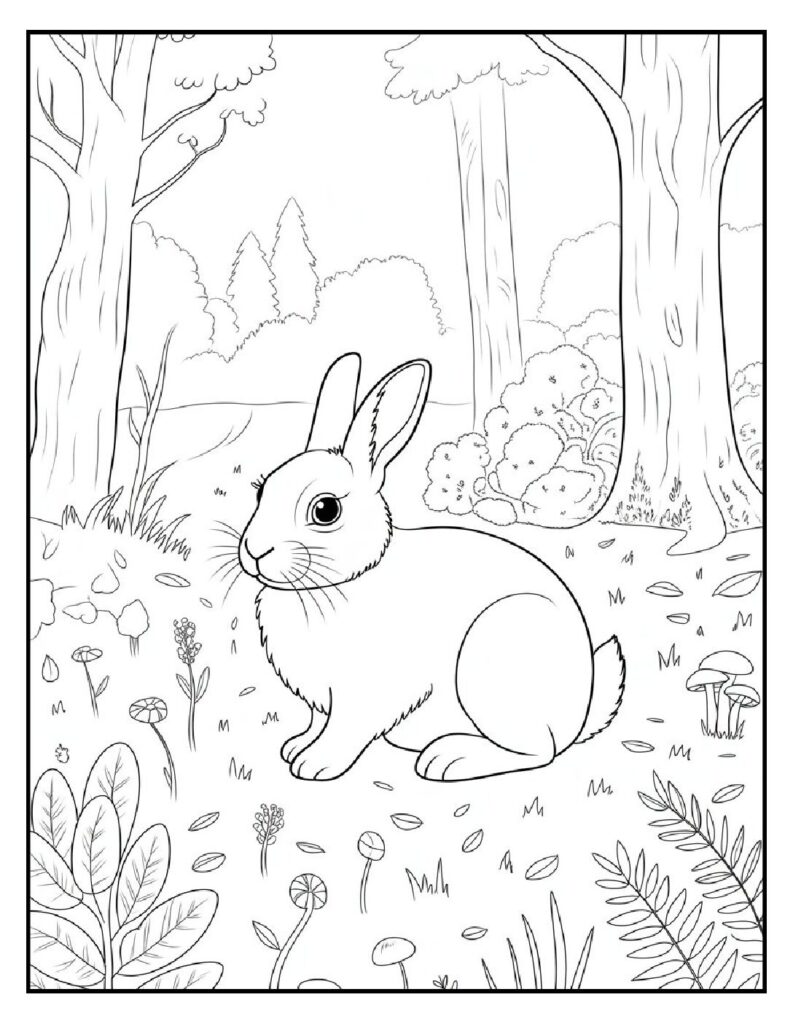
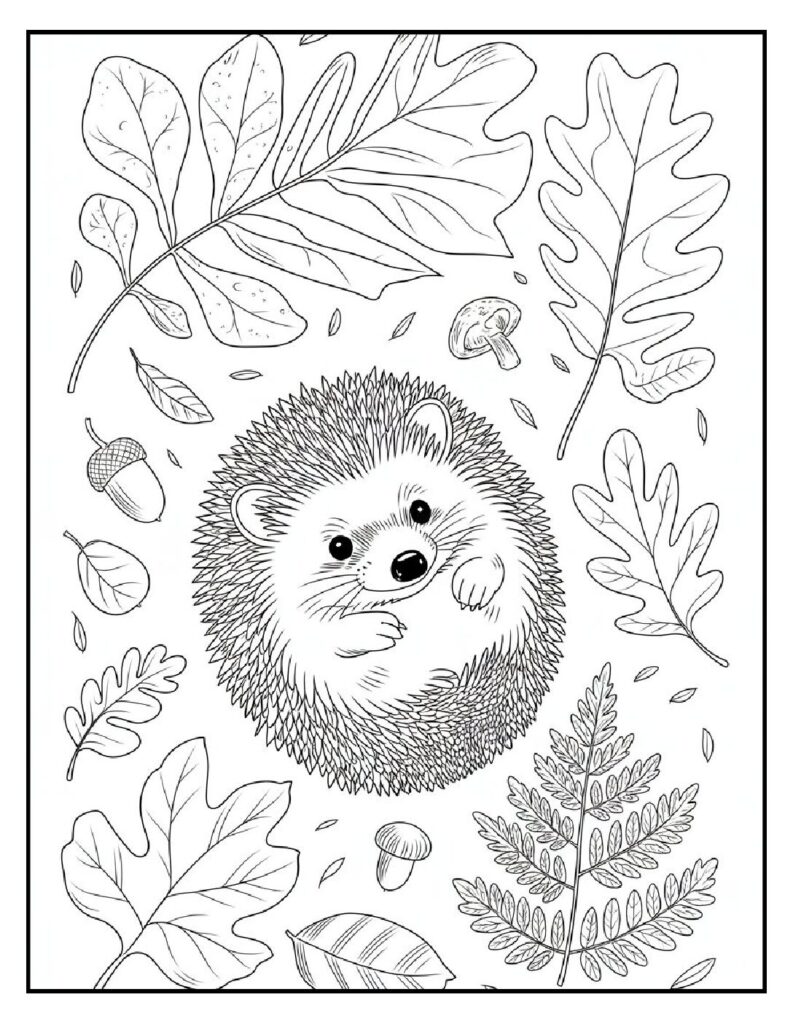
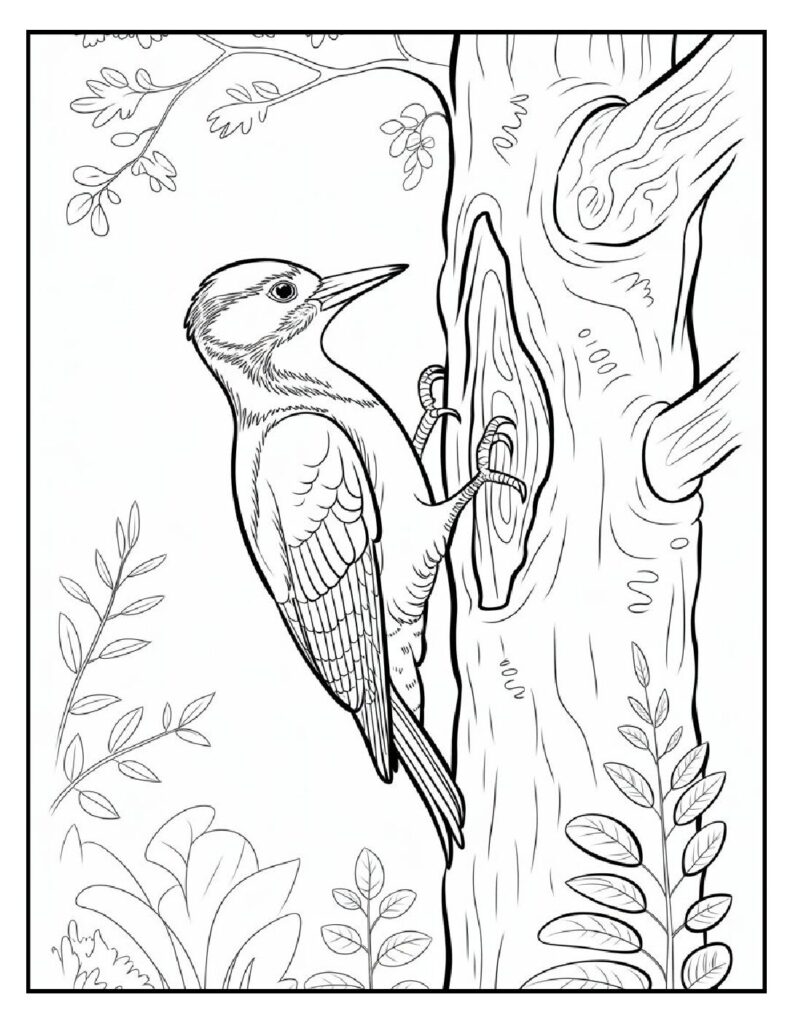
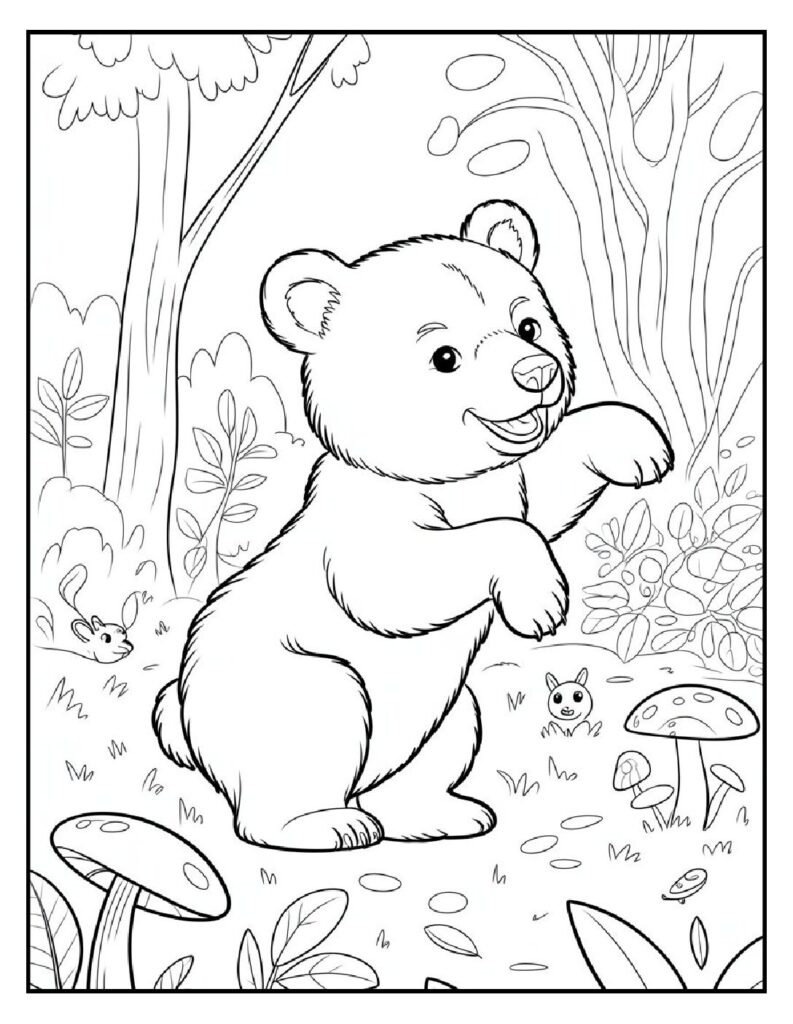
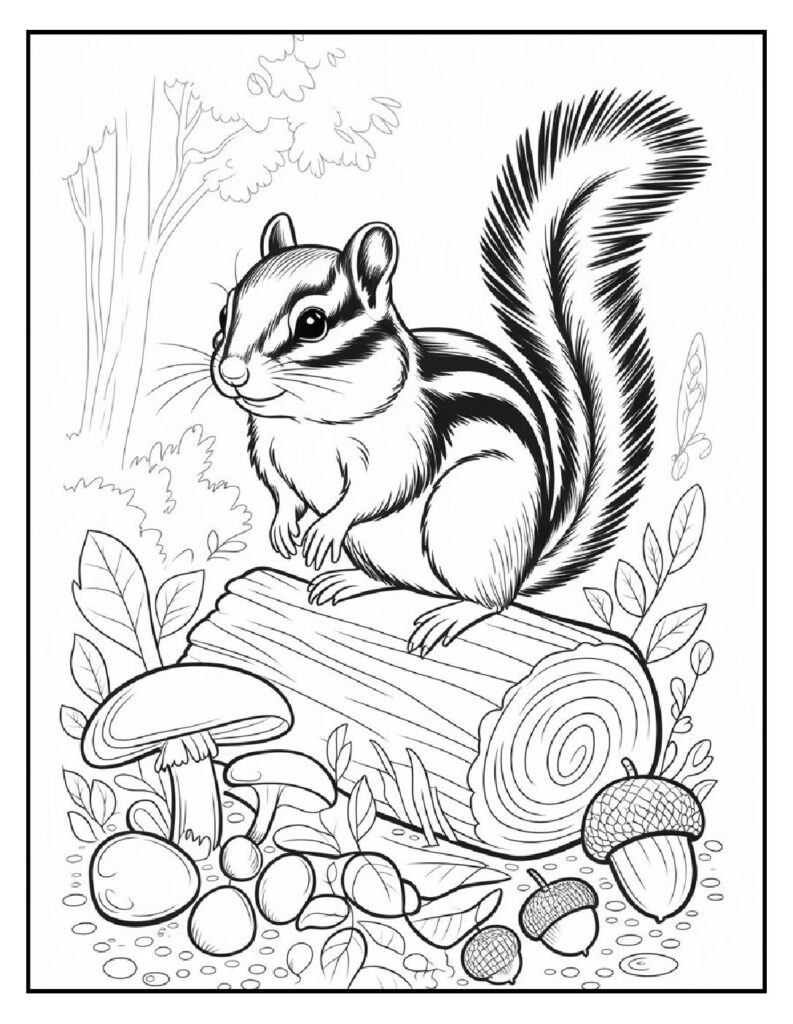
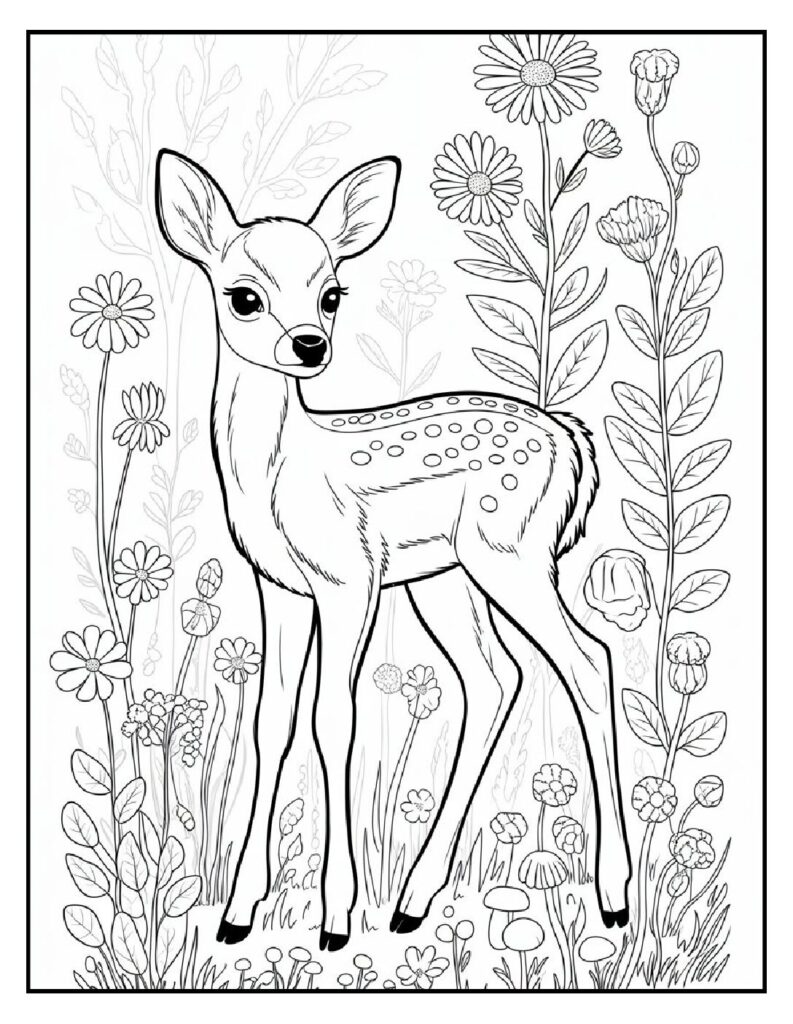

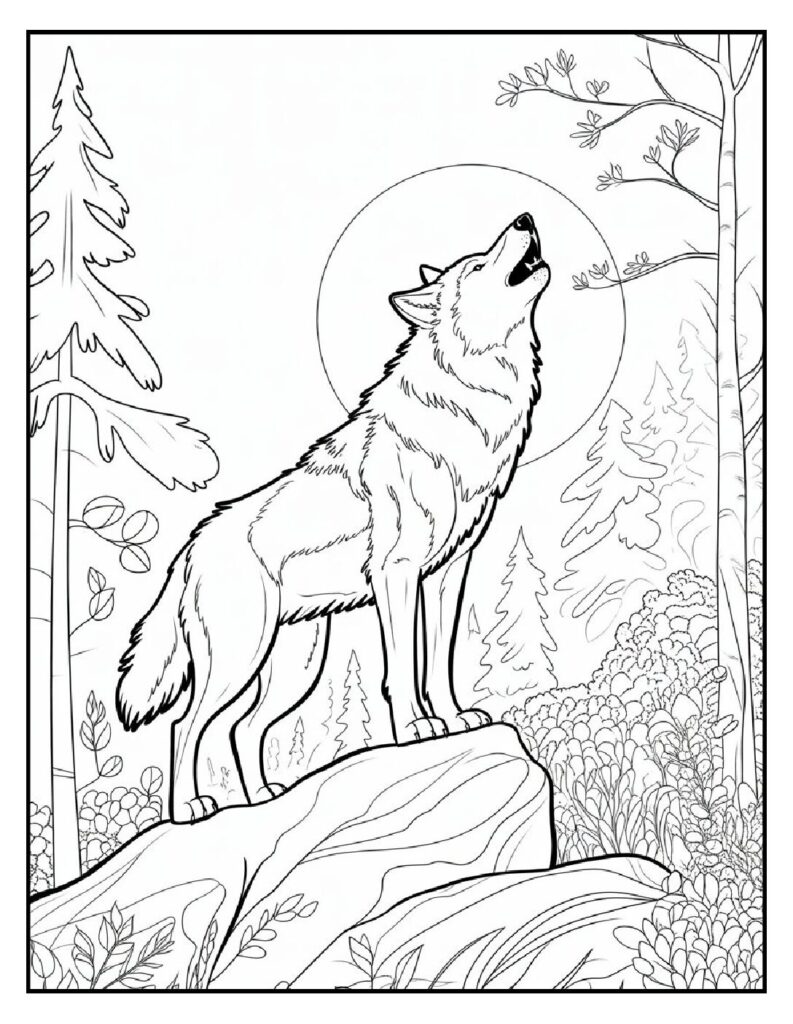
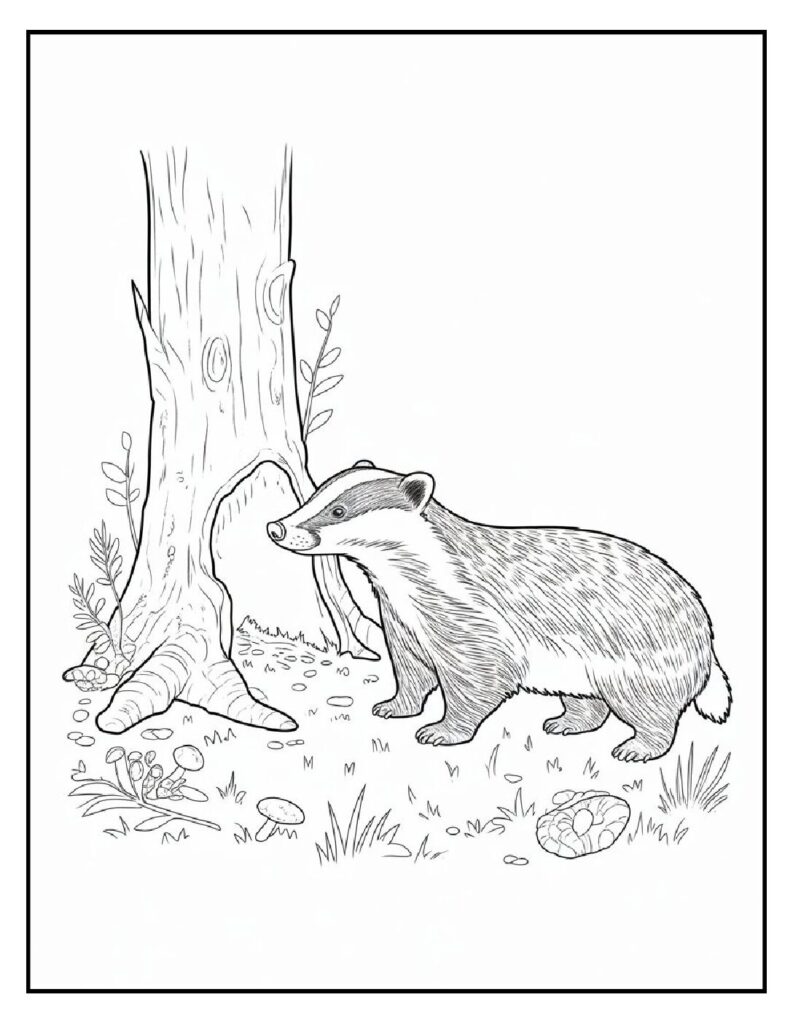
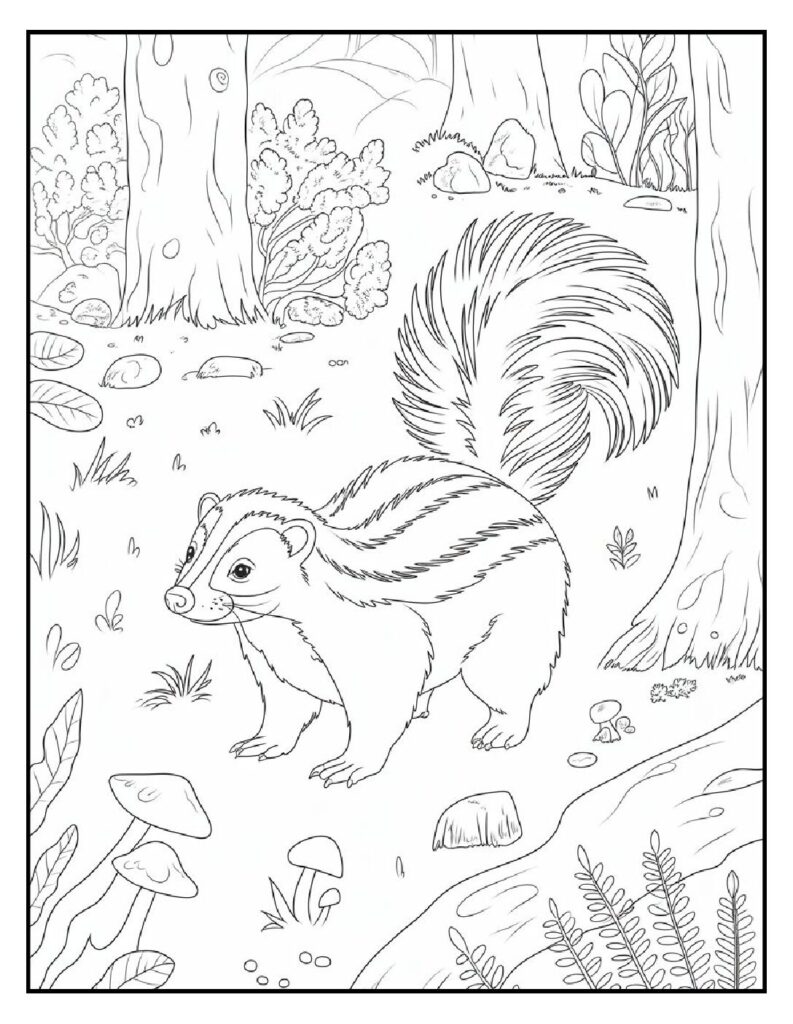
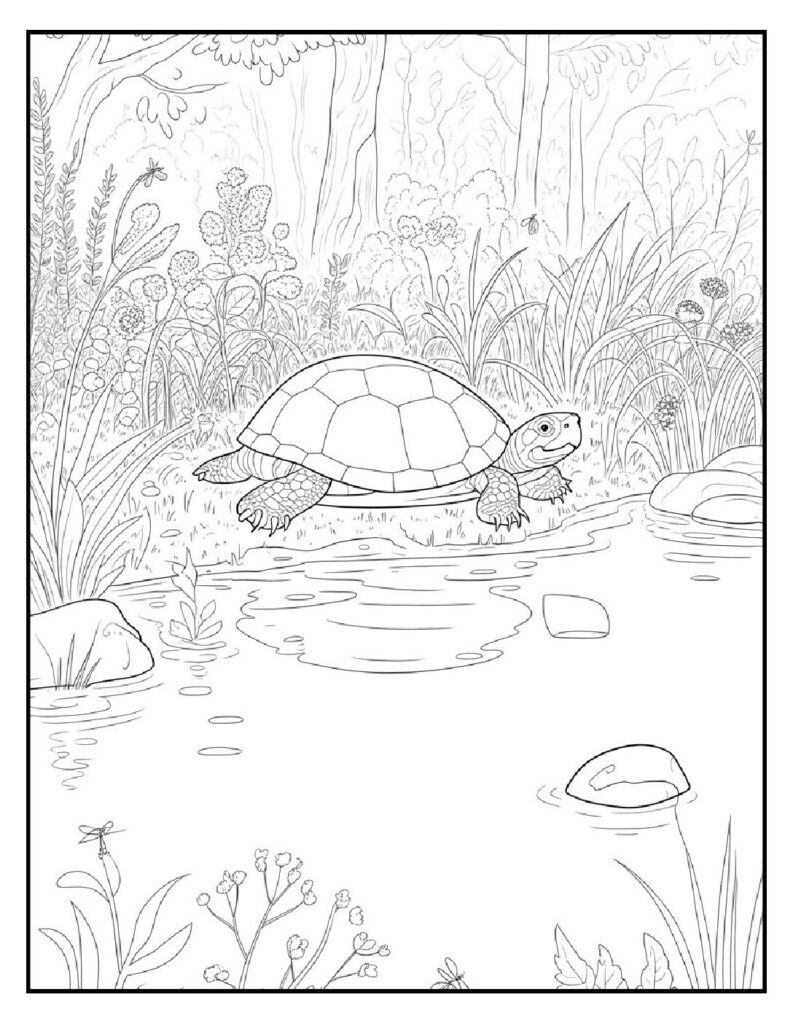
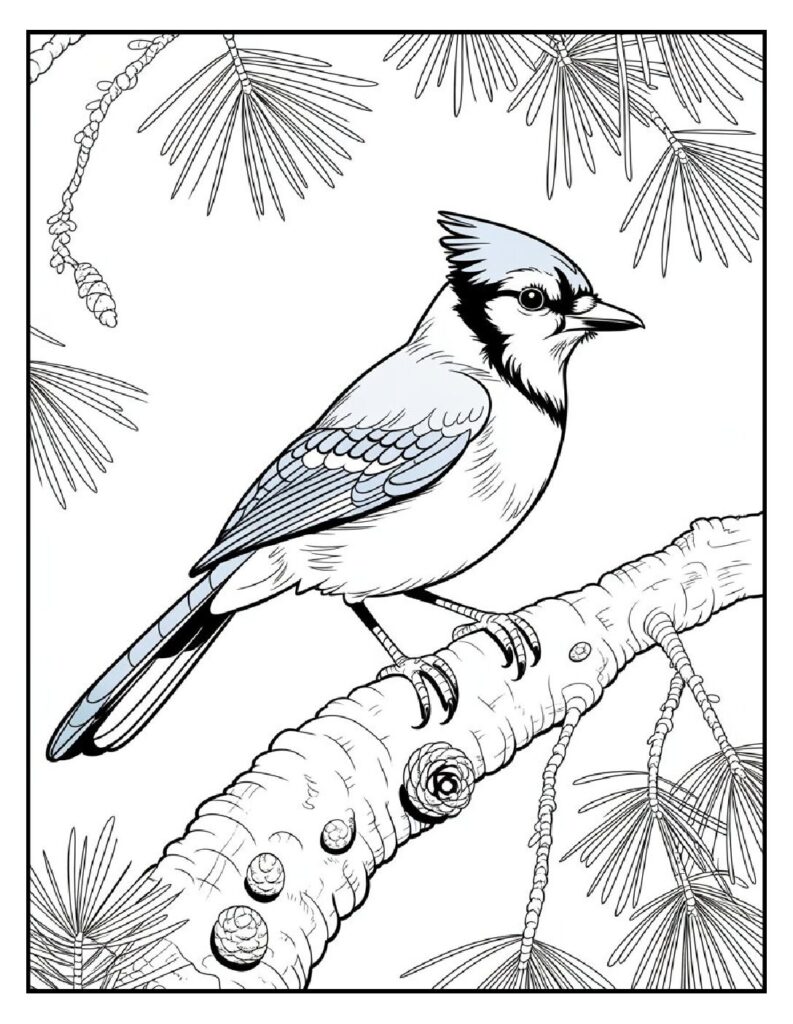
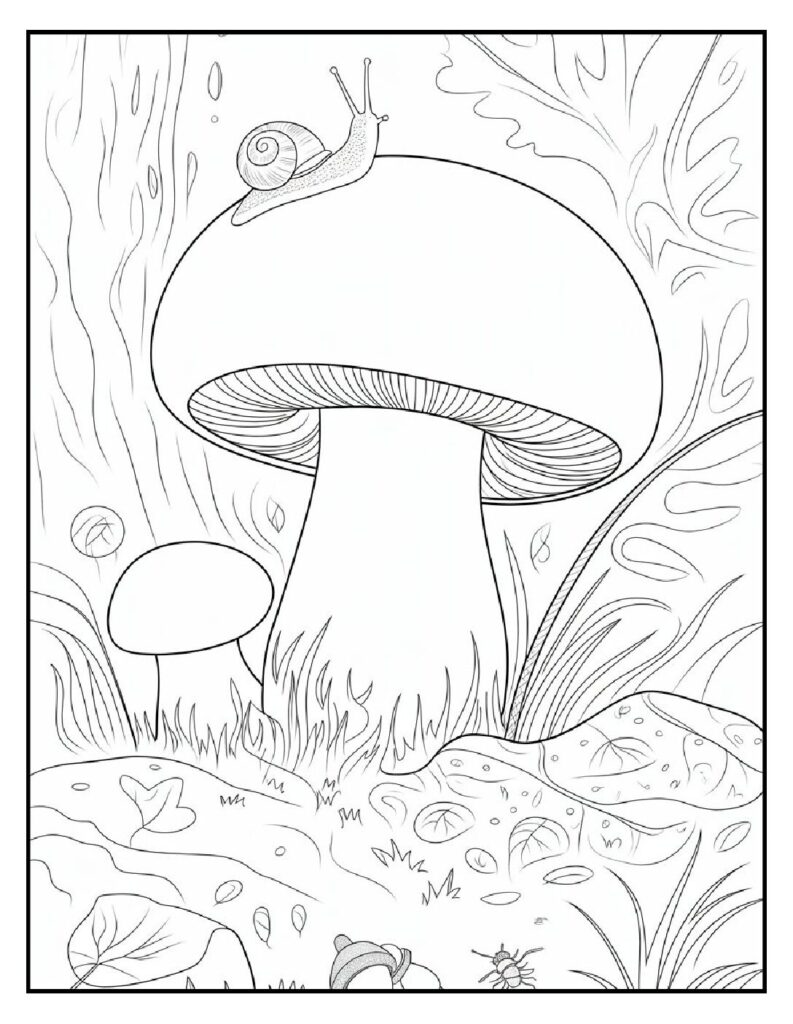
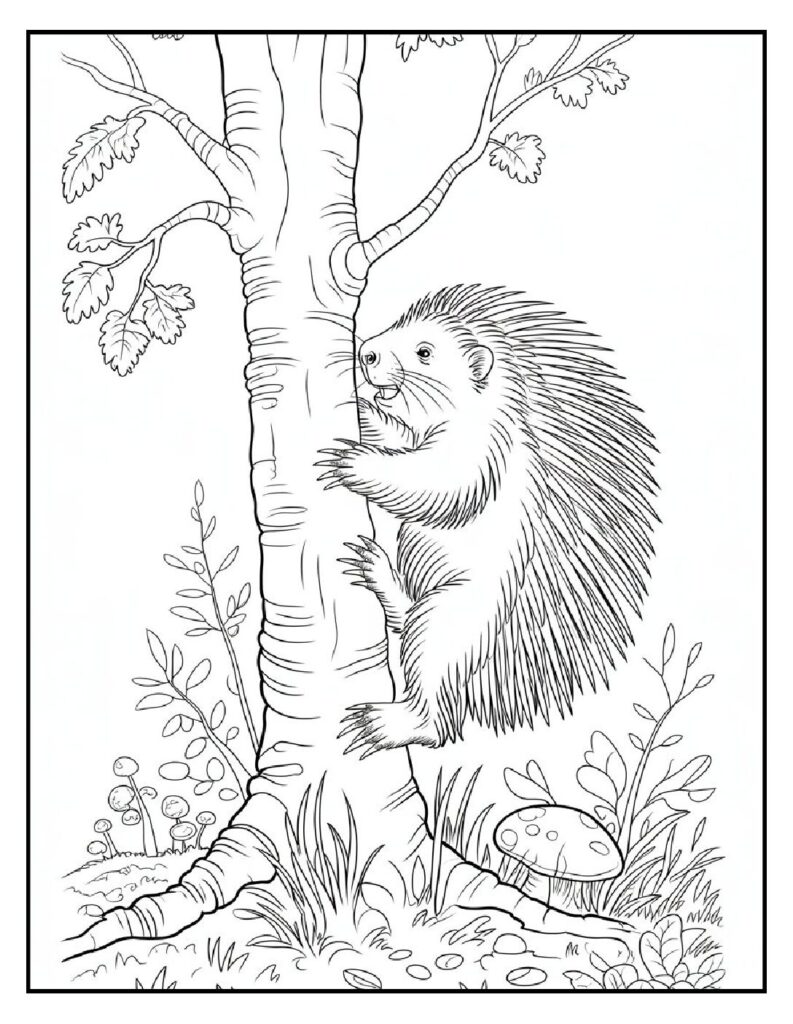

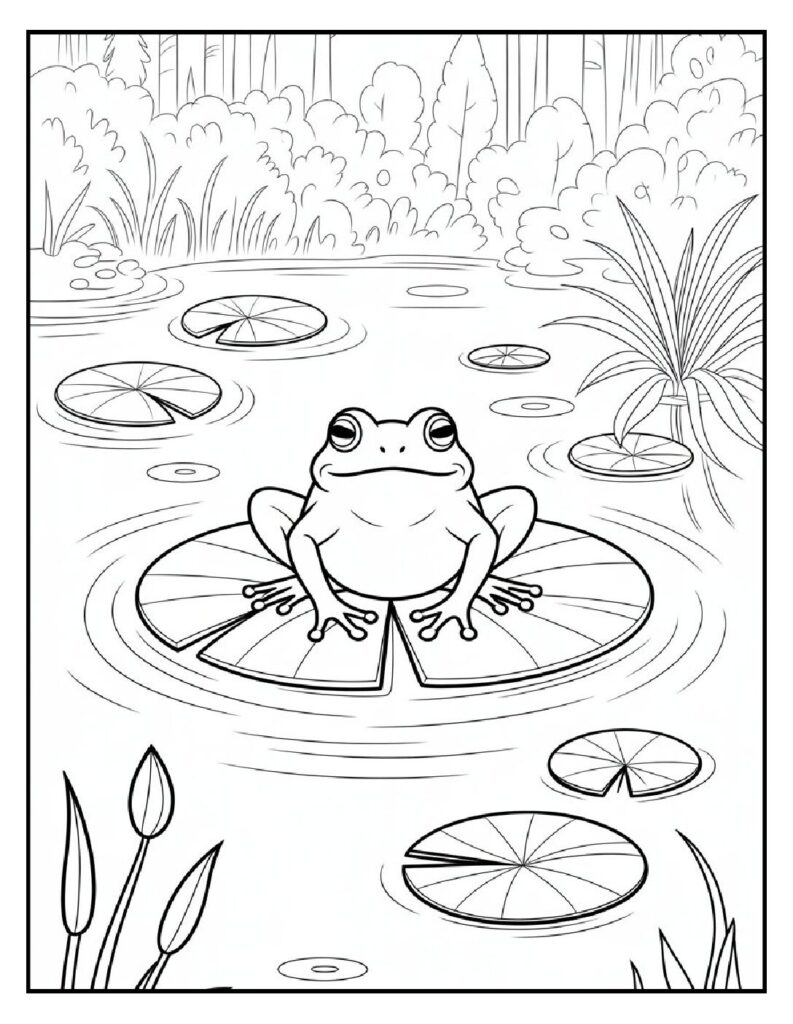
Tips for Coloring Woodland Animal Coloring Pages
Coloring woodland animals takes some planning. Picking the best supplies and choosing colors carefully can make the pictures look better. Using the right tools and deciding between realistic or creative colors helps create enjoyable art.
Choosing the Right Coloring Materials
Using good materials makes coloring easier and cleaner. Colored pencils are great for details and blending colors softly. They let artists add shading and texture to fur or leaves.
Markers work well for bright, bold colors, but they can bleed through thin paper. It’s best to use thicker paper or a special coloring book designed for markers.
Crayons are easy to use, especially for younger artists. They offer good coverage but aren’t precise for small details.
For better control and smoother color, professionals often choose colored pencils combined with a sharpener and an eraser. This combination lets them add fine lines and fix mistakes quickly.
Exploring Realistic and Imaginative Color Schemes
Coloring woodland animals can be done in two main ways: realistic or imaginative. Realistic colors reflect how animals look in nature, like browns for deer or greys for wolves. Using reference photos helps match these colors.
Imaginative coloring lets artists use bright or unusual colors. For example, a fox could be blue, or a squirrel might have purple fur. This style allows creativity and personal expression.
A helpful tip is to mix both styles. Start with natural colors, then add spots of bright hues to make the image unique.
Using a color wheel helps choose colors that look good together. Complementary colors like green and red can make the animal stand out.